
Campervan Travel in Australia — Where to Sleep, Seasons, Distances and Tolls in 2027
Australia is roughly the size of the mainland United States, with a population of about 27 million, so a campervan trip here is planned differently from one in Europe. Two things spoil most first trips: underestimated distances and the wrong season for the part of the country you are heading to. Overnight rules are not set nationally but by the states and local councils, so they change from place to place.
Where to sleep overnight
- Holiday parks. Commercial campgrounds exist in almost every town: a powered site, showers, toilets, a laundry, a camp kitchen and a dump point. During the summer school holidays, from mid-December to the end of January, and at Easter, coastal parks fill up months ahead.
- National park campgrounds. They are cheaper and better located, but often basic: a toilet, sometimes no water. In New South Wales, Queensland and Victoria most must be booked and paid online in advance; turning up without a booking often doesn't work.
- Free camps and rest areas. Many highway rest areas allow an overnight stop; in Queensland, for example, many state rest areas allow stays of up to 20 hours. The rules are signposted at each site. Some free sites only take fully self-contained vehicles with their own toilet and grey-water tank. Camping apps such as WikiCamps list them with recent reviews.
- Streets and beach car parks. Sleeping in a vehicle on the street and in beach and town car parks is banned by most coastal councils in New South Wales, Victoria and Queensland. Rangers patrol and fines are common, especially around Byron Bay and on the Gold Coast.
North and south: two different climates
- The tropical north (Cairns, Darwin, Broome). The dry season, from May to October, is warm and dry and the best time to go. The wet season, from November to April, brings heat, humidity, storms and cyclones; floods close roads, including some roads in Kakadu National Park. Box jellyfish are in the sea roughly from October or November to May, so swim only inside stinger nets. Crocodiles live in rivers and estuaries, so obey the warning signs.
- The south (Sydney, Melbourne, Adelaide, Perth, Tasmania). October to April is the most pleasant, and December and January are the hottest and busiest. Winter, from June to August, is mild in Sydney and Perth, but nights are cold in Victoria and Tasmania and it snows in the Australian Alps; in Victoria's alpine resorts, carrying chains is mandatory in season for vehicles without four-wheel drive.
- The Red Centre (Uluru, Alice Springs). April to September is best. In summer it is over 40 °C, and on winter nights the temperature falls below zero.
Distances are bigger than they look
Approximate road distances: Sydney – Melbourne 880 km (Hume Highway), Sydney – Brisbane 920 km along the coast, Brisbane – Cairns about 1,700 km, Melbourne – Adelaide about 730 km, Adelaide – Perth about 2,700 km across the Nullarbor, Perth – Broome about 2,200 km and Darwin – Alice Springs about 1,500 km. On a trip with stops, allow 300 to 400 km per driving day.
- Fuel and roadhouses. On the Nullarbor and in the outback, roadhouses can be up to 200 km apart. Fill up whenever you can and carry spare water. Mobile coverage disappears between towns.
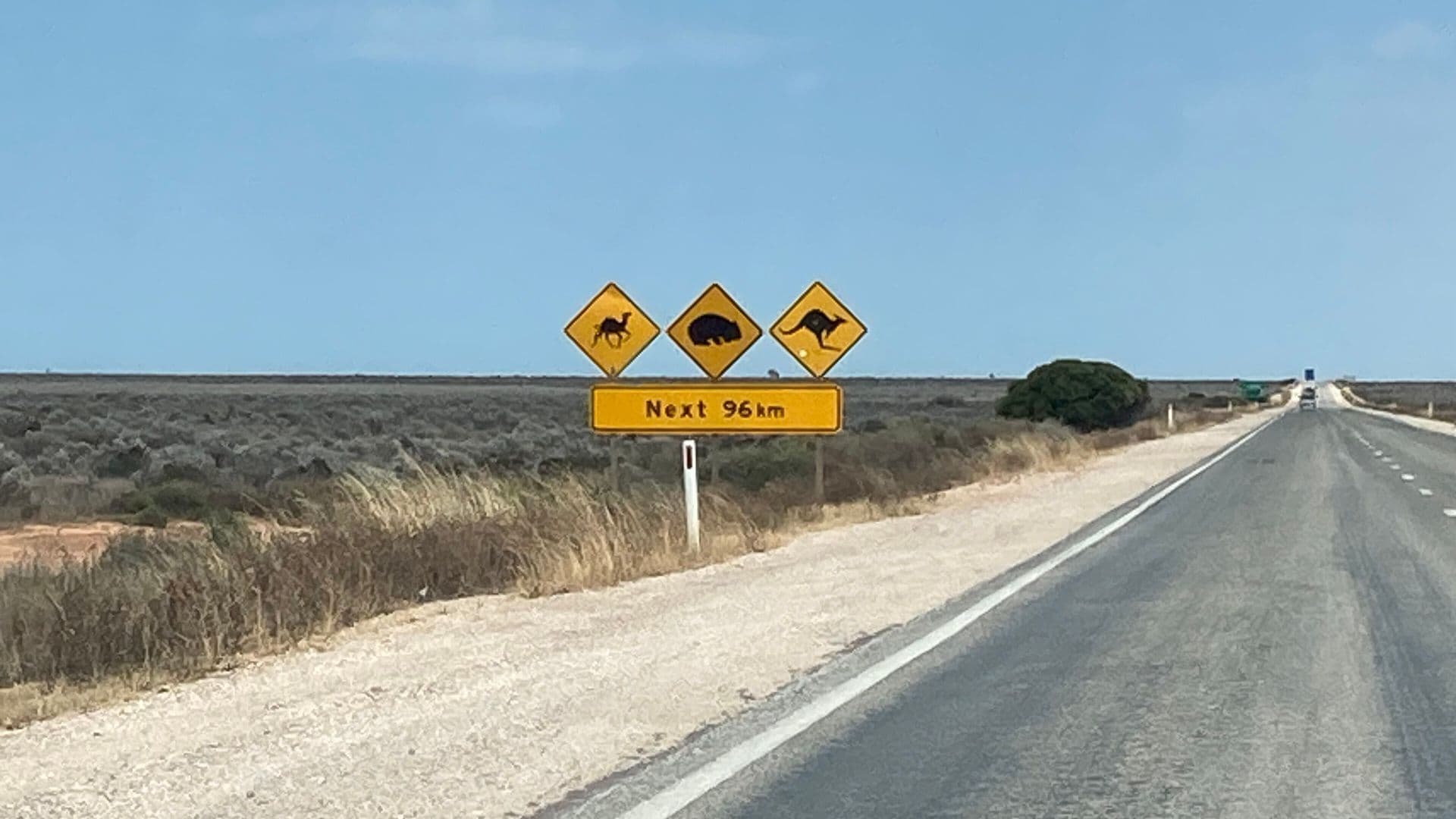
- Animals. Kangaroos, cattle and emus are most active at dusk, at night and at dawn, so don't drive outside towns at those times. Some rental agreements do not cover damage from hitting an animal at night.
- Road trains. In the outback, trucks with several trailers can be up to 53.5 metres long. Overtake only on a long, clear straight, and when one overtakes you, keep left and hold a steady speed.
Tolls, quarantine and rental conditions
- Tolls. They exist only in Sydney, Melbourne and Brisbane and are charged electronically only. The rental company bills them afterwards, with an admin fee. The rest of the country is toll-free.
- Fruit and vegetable quarantine. Western Australia, South Australia and Tasmania have quarantine checks; fresh fruit, vegetables, honey and plants are confiscated at the border. At the Western Australian border on the Nullarbor, every vehicle is inspected. Eat or throw away the produce before the checkpoint.
- Unsealed roads. Most contracts for campervans without four-wheel drive ban unsealed roads, apart from short access roads to campgrounds, and damage on gravel is not insured. The Gibb River Road, Cape York and the Oodnadatta Track need a 4WD and a rental that explicitly allows it.
- One-way hire. It is possible between the big cities, but with a one-way fee. Outside the season, rental companies sometimes offer cheap relocation deals between cities.
- Driving licence and speed. Australia drives on the left. A foreign licence in English is valid; if yours is not in English, you need an International Driving Permit or an official translation. An ordinary car licence covers vehicles up to 4.5 tonnes, so campervans and most motorhomes. Limits are mostly 100 to 110 km/h, and 130 km/h on some Northern Territory highways.
A campervan in Australia through Crystalium Booker
We have detailed guides for individual cities: Sydney, Melbourne, Brisbane and Perth and Fremantle. We are still building our campervan offer in Australia. Send us your dates, route and group size through the contact page and we will look for a vehicle for you, and keep an eye on the campervans in Sydney page for new listings. Do you hire out a campervan in Australia? List it with us.
Frequently Asked Questions
Can you sleep in a campervan anywhere in Australia?
No. Most coastal councils ban it on streets and in beach car parks, and fines are common. Stay in holiday parks, in national park campgrounds booked online, or at rest areas and free sites where overnight stays are explicitly allowed.
When is the best time for a campervan trip in Australia?
It depends on the region. The tropical north (Cairns, Darwin, Broome) is best from May to October, the south (Sydney, Melbourne, Adelaide, Tasmania) from October to April, and the centre with Uluru from April to September.
How long does it take to cross Australia by campervan?
Sydney to Perth via Adelaide and the Nullarbor is about 4,000 km. That is at least six to seven days of pure driving, and realistically two to three weeks with stops.
Can you take fruit across state borders?
Not always. Western Australia, South Australia and Tasmania have quarantine checkpoints where fresh fruit, vegetables, honey and plants are confiscated. Eat or throw away the produce before the checkpoint.
Related articles
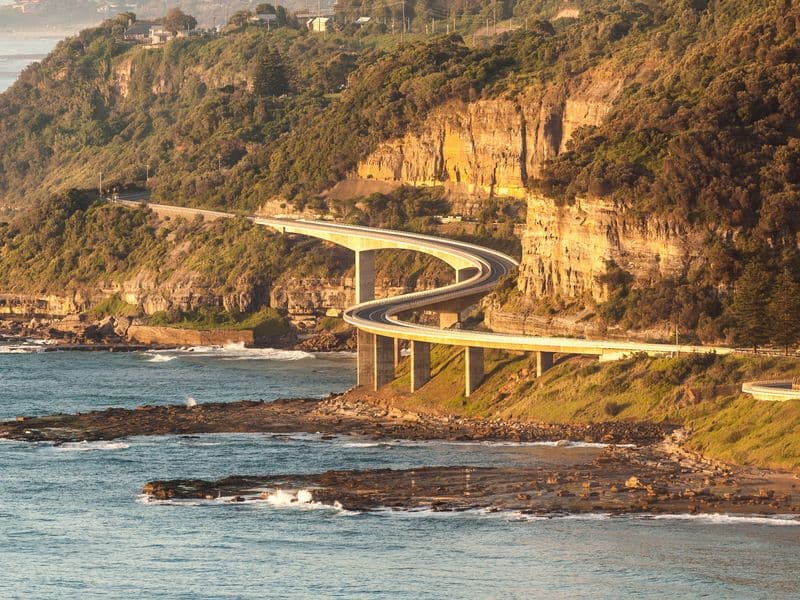
Campervan Hire Sydney — Routes, Campgrounds and Tips for 2027
By campervan from Sydney: Grand Pacific Drive, Jervis Bay, the Blue Mountains and the road to Byron Bay. Where to stay overnight, tolls, licence and best season.
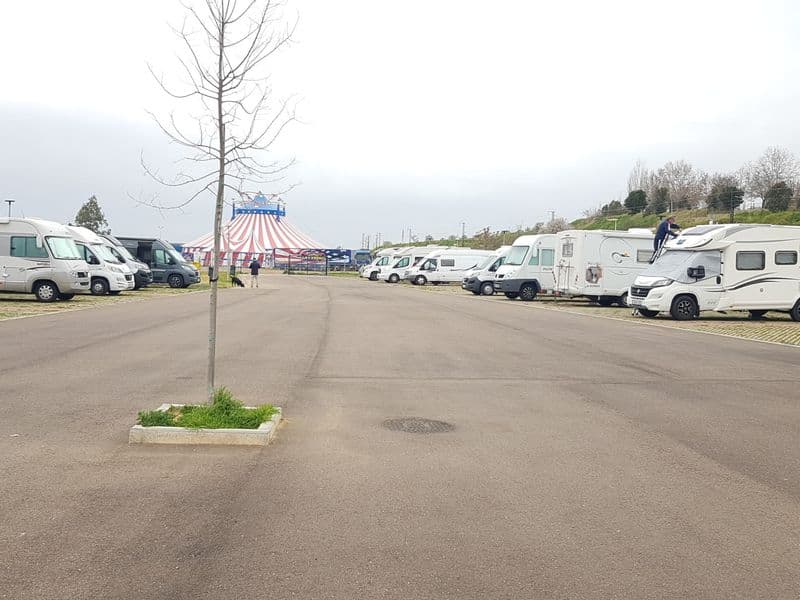
Campervanning in Spain — Overnight Parking vs Camping, Áreas de Autocaravanas and Low-Emission Zones in 2027
Campervanning in Spain: where you may sleep overnight and where not, how áreas de autocaravanas and campsites work, and low-emission zones in Madrid and Barcelona.
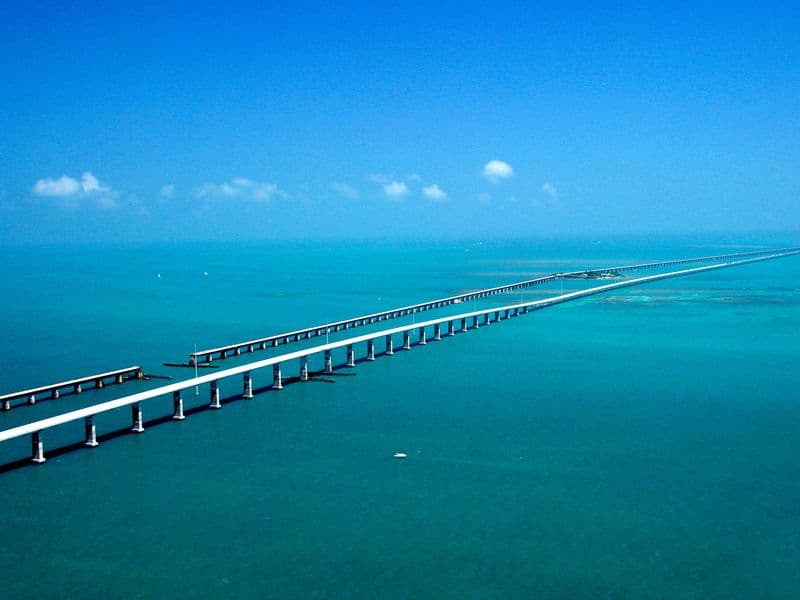
Renting a Campervan in the USA as a European — Licence, Insurance, Mileage and Campgrounds in 2027
What European guests need to rent a campervan or RV in the USA: driving licence, insurance, per-mile charges, campground types and tips for Florida.
Rent a camper today
View all campers for rent