
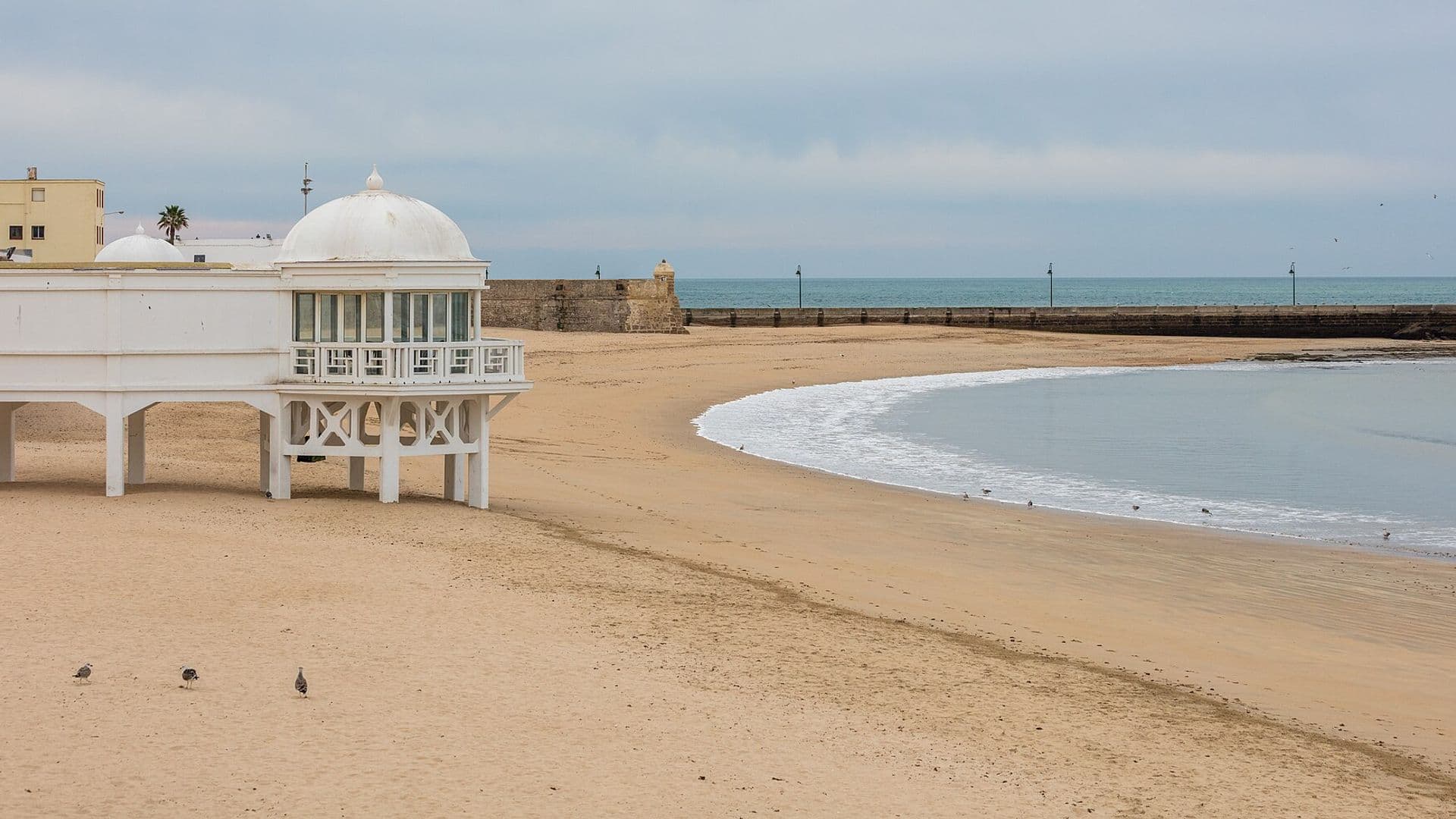
Boat rental in Cádiz — La Caleta, the Bay of Cádiz, El Puerto de Santa María, Sancti Petri, Cape Trafalgar and tips for 2027
Cádiz, founded by the Phoenicians as Gadir about 3,000 years ago and one of the oldest cities in Western Europe, sits on a narrow peninsula surrounded by the Atlantic. Its old town is ringed by sea walls and bastions, with the castles of San Sebastián and Santa Catalina guarding the small beach of La Caleta, and to the east lies the wide, shallow Bay of Cádiz with its salt marshes and the sherry town of El Puerto de Santa María. To the south, the long beaches of the Costa de la Luz lead past the islet of Sancti Petri to Cape Trafalgar. This guide covers where boats leave from, where to go, the rules and when to come.
Where boats leave from
Boats leave from the Puerto América marina and the Real Club Náutico in Cádiz itself, from Puerto Sherry in El Puerto de Santa María across the bay, and from the marinas of Rota to the north and Sancti Petri near Chiclana to the south. Many trips along the Costa de la Luz start from Sancti Petri. Cádiz is also a busy commercial, cruise and ferry port, so keep clear of the shipping channels in the bay.
Where to go
- Around the old town (about 2–4 NM): La Caleta beach, the castles of San Sebastián and Santa Catalina and the sea walls, best seen from the water at sunset.
- El Puerto de Santa María and Puerto Sherry (about 5 NM): across the bay, with the beaches of Valdelagrana, sherry bodegas and seafood bars in the old town.
- The Bay of Cádiz Natural Park (about 3–8 NM): salt marshes, channels and birdlife between Cádiz, San Fernando and Puerto Real; the water is shallow, so go with local knowledge and the right tide.
- Sancti Petri and La Barrosa (about 10–12 NM): the castle on its islet at the mouth of the Sancti Petri channel, and the long La Barrosa beach near Chiclana.
- Conil and Cape Trafalgar (about 20–25 NM): wild Atlantic beaches and the lighthouse off which the Battle of Trafalgar was fought in 1805; a long trip best done with a skipper.
- North to Rota and Chipiona (about 8–20 NM): the beaches of Rota and the Chipiona lighthouse, the tallest in Spain, near the mouth of the Guadalquivir.
See the boats in Marbella page for the Mediterranean side of Andalusia. For more of the Spanish coast, read our guides to boat rental in Marbella and boat rental in Málaga. If you are touring Andalusia by campervan, see our Seville campervan guide.
Rules and tips
- Licence. Without a licence you can drive a small boat of up to about 5 m and 15 hp, by day and close to the coast. Larger boats need a licence or a skipper.
- Tides and sandbanks. Use a tide table; shallow areas of the bay, the Sancti Petri channel and the river mouths can be dangerous at low tide.
- Bathing areas. In summer the beaches are marked off with buoys, usually up to 200 m from the shore; boats may only enter and leave slowly through the marked channels.
- Restricted areas. Keep clear of the commercial port, the shipping channels and the naval base at Rota, where access by sea is restricted.
- Fishing gear. Watch out for nets and tuna traps (almadrabas) off Conil and Barbate in spring and early summer.
Wind and weather
Two winds rule Cádiz. The levante from the east is strong, dry and gusty, blows off the land on the Atlantic side and can push small boats out to sea; on levante days stay inside the bay or wait. The poniente from the west is cooler and more humid, brings waves onto the beaches and is usually more predictable. Mornings are often the calmest time. Check the forecast every morning and plan your trip around the wind and the tides.
When to go
The season runs from June to September, with long sunny days and a sea of about 22–23 °C in August. June and September are quieter, and May and October are often still pleasant on land, though the sea is cooler. Cádiz is famous for its February carnival, one of the liveliest in Spain, and in summer the sunsets over La Caleta draw crowds every evening.
A boat in Cádiz with Crystalium Booker
We are still building up our boat offer in Cádiz. Send us your date and number of people through the contact page and we will look for a suitable boat, and keep an eye on the boats in Cádiz page for new listings. Do you rent out a boat in or around Cádiz? List it with us.
Frequently Asked Questions
Can I rent a boat in Cádiz without a licence?
In Spain you can rent a small boat without a licence, up to about 5 metres and 15 hp, by day and close to the coast. For anything larger you need a recognised boat licence, or you hire the boat with a skipper. Rules and limits can change, so check with the owner when you book.
Do the tides matter for a boat trip in Cádiz?
Yes. Cádiz is on the Atlantic, and the difference between high and low tide in the bay can be 2–3 metres. Shallow areas and sandbanks in the bay and around Sancti Petri can dry out at low tide, and tidal currents are strong in the channels, so plan your trip with the tide table and ask the owner about safe routes.
What is the levante and why does it matter?
The levante is a strong, dry easterly wind that funnels through the Strait of Gibraltar and can blow for several days, especially in summer. On the Atlantic side of Cádiz it blows off the land, so the sea near the beach may look calm while the wind pushes small boats out to sea. On levante days, stay inside the bay or postpone your trip.
When is the best time for a boat trip in Cádiz?
From June to September, when days are long and sunny and the sea reaches about 22–23 °C in August, cooler than the Mediterranean. Mornings are often calmer; check the forecast for levante and poniente, and plan around the tides.
Related articles
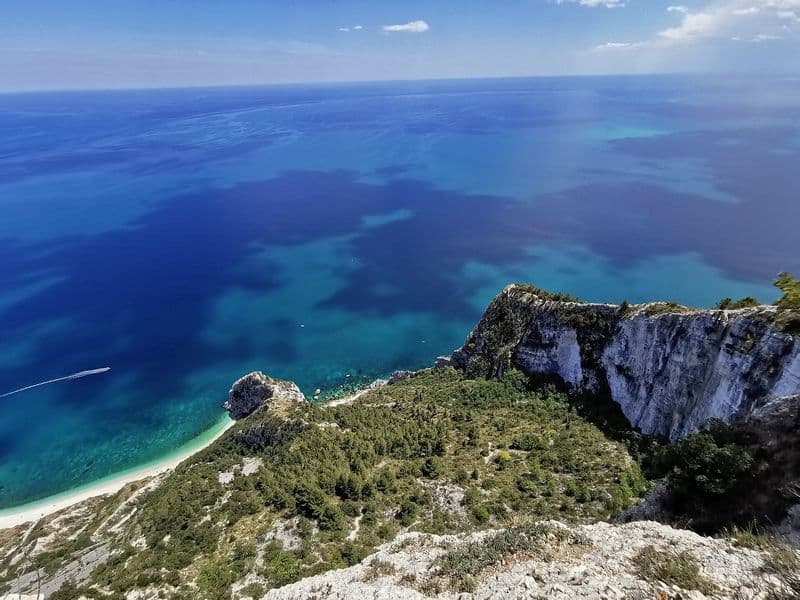
Boat Rental Ancona — the Passetto, Mezzavalle, Portonovo, the Due Sorelle, Numana, Senigallia and Tips for 2027
Boat trips from Ancona: Passetto cliffs, Mezzavalle and Portonovo, the Due Sorelle beach reachable only by sea, Sirolo, Numana and Senigallia. Rules and the bora.
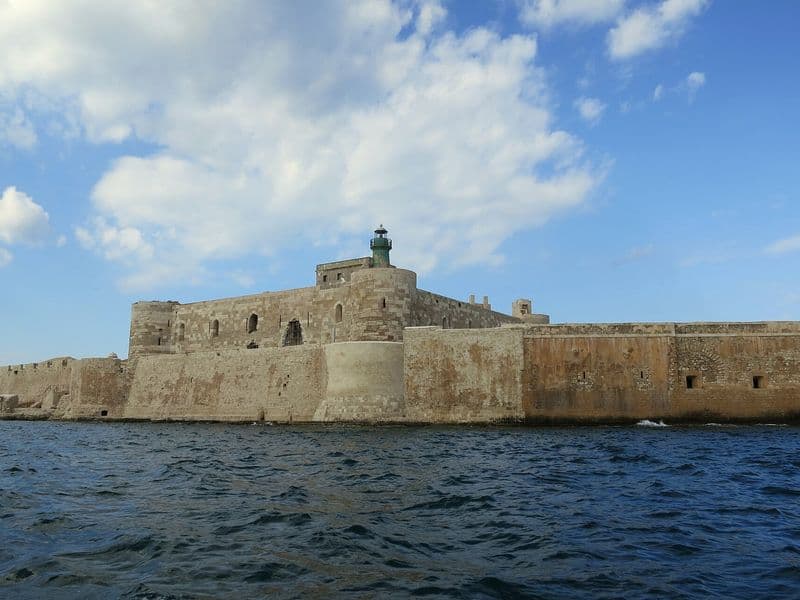
Boat rental in Siracusa — Ortigia, the Plemmirio marine reserve, Fontane Bianche, Vendicari, Marzamemi and tips for 2027
Boat trips from Siracusa: around Ortigia, the sea caves of the Plemmirio marine reserve, Fontane Bianche, Vendicari, Marzamemi and north to Brucoli. Rules, season.
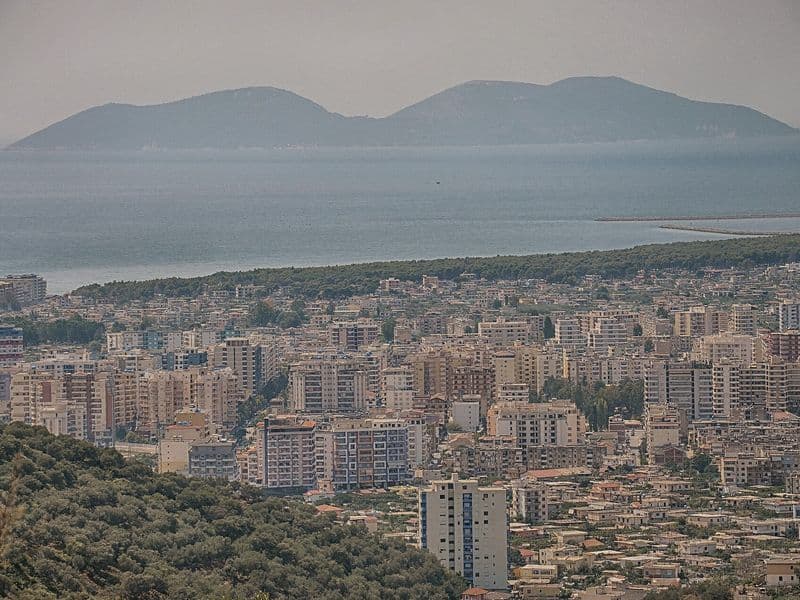
Boat rental in Vlorë — Sazan island, the Karaburun peninsula, Haxhi Ali cave, Orikum and tips for 2027
Boat trips from Vlorë: Sazan island, the Karaburun–Sazan marine park, Haxhi Ali cave, Grama bay, Orikum and the Albanian Riviera. Rules, wind and season.
Boats available for rent — Spain
Rent a boat in Spain?
View all boats for rent