
Campervan Hire Cairns — the Daintree, Cape Tribulation, Port Douglas, the Atherton Tablelands and Tips for 2027
Cairns, the capital of tropical North Queensland, is the starting point for two World Heritage sites: the Great Barrier Reef offshore and the Wet Tropics rainforest, including the Daintree, on land. For a campervan trip it is ideal: the rainforest village of Kuranda and the waterfalls of the Atherton Tablelands are an hour away, the coastal road to Port Douglas is one of the most beautiful drives in Australia, and further north, at Cape Tribulation, the rainforest meets the reef. This guide explains where to go, where you can stay overnight, what to know about driving and when it is best to travel.
Cairns itself
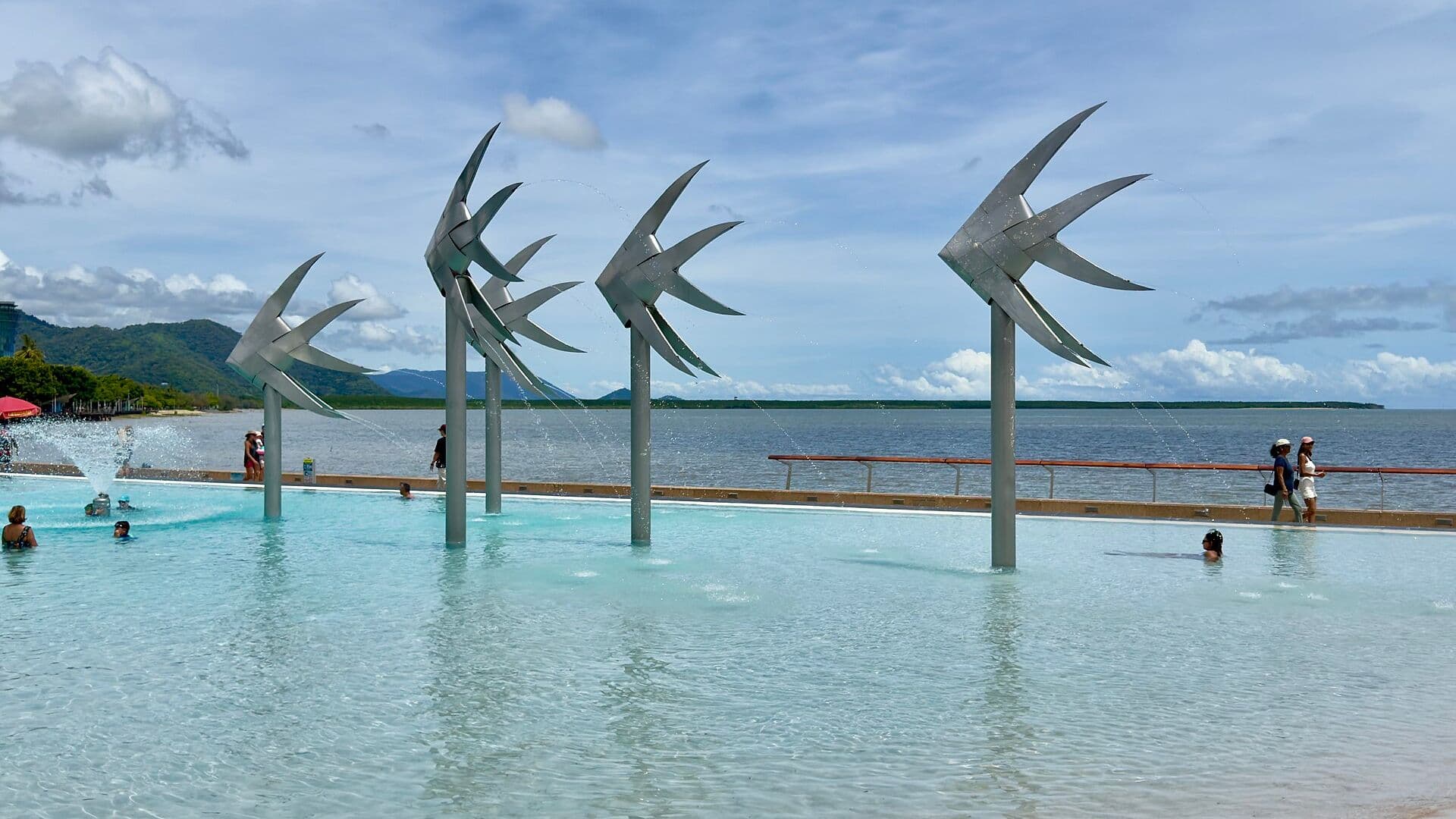
The Esplanade, with its free saltwater swimming lagoon, boardwalk and night markets, is the heart of the city. Reef trips to the outer reef and to Green Island and Fitzroy Island leave from the Reef Fleet Terminal; you leave the campervan on land and go out by boat. On the edge of the city, the Cairns Botanic Gardens and the Mount Whitfield walking tracks offer a first taste of the rainforest.
The Tablelands and Kuranda
- Kuranda (about 25 km): a rainforest village with markets and butterfly sanctuaries, reached by the winding Kuranda Range Road or, without the campervan, by the scenic railway and the Skyrail cableway.
- Atherton Tablelands (about 70–90 km): the waterfall circuit at Millaa Millaa, crater lakes Eacham and Barrine, the Curtain Fig Tree near Yungaburra and platypus spotting at dusk in Peterson Creek.
- Babinda Boulders and Josephine Falls (about 60–75 km south): clear rainforest creeks at the foot of Mount Bartle Frere, Queensland's highest mountain; swim only where it is allowed, as the currents can be dangerous.
North: Port Douglas and the Daintree
The Captain Cook Highway follows the coast to Port Douglas (about 65 km), with Four Mile Beach and a marina full of reef boats. A little further, Mossman Gorge is a cool rainforest river on Aboriginal land with guided Dreamtime walks. The cable ferry over the Daintree River (about 105 km from Cairns) leads into the Daintree, with boardwalks, lookouts and beaches as far as Cape Tribulation (about 140 km).
South: Mission Beach
Mission Beach (about 140 km) has 14 km of palm-lined beaches and rainforest where you may see the endangered southern cassowary; drive slowly and never feed them. On the way, Paronella Park near Innisfail is a romantic Spanish-style castle ruin in the jungle.
For more of Australia, read our guides to campervan hire in Brisbane and on the Gold Coast, as well as our guide to campervan travel in Australia.
Where to stay
- Caravan parks: in Cairns and its northern beaches, Port Douglas and Mission Beach, with power, showers and dump points; book ahead in the dry season.
- National park campgrounds: for example Noah Beach in the Daintree and sites on the Tablelands; they must be booked online in advance, and some are closed in the wet season.
- Low-cost and free camping: some council areas on the Tablelands allow short stays for self-contained vehicles; check the signs and local rules.
- Overnight parking: sleeping in a vehicle on streets or beachfront car parks in Cairns is generally not allowed.
Driving tips
- Drive on the left. Take extra care at roundabouts and when turning, especially in the first days.
- Range roads. The Kuranda Range Road and the Gillies Range Road to the Tablelands are steep and winding; use low gears on the way down.
- Wildlife. Cassowaries, wallabies and other animals cross the roads, especially at dawn and dusk around Mission Beach and in the Daintree.
- Floodways. In the wet season, roads can flood quickly; never drive through floodwater.
- Unsealed roads. Many rental contracts do not allow unsealed roads, including the Bloomfield Track; check before you go.
When to go
- May to October: the dry season, with sunny days of around 25–29 °C and cooler nights, the best time for the reef, the rainforest and camping.
- November to April: the wet season, hot (often above 32 °C) and humid, with heavy rain, flooded roads, a cyclone risk and box jellyfish in the sea; some campgrounds close, but the waterfalls are spectacular.
- Shoulder months: April–May and October–November are quieter, with warm water and fewer visitors.
A campervan in Cairns with Crystalium Booker
We are still building up our campervan offer in Cairns. Send us your dates and number of travellers through the contact page and we will look for a vehicle for you, and keep an eye on the campervans in Cairns page for new listings. Do you rent out a campervan in or around Cairns? List it with us.
Frequently Asked Questions
Where can I stay overnight with a campervan around Cairns?
There are many caravan parks in and around Cairns, Port Douglas and Mission Beach, national park campgrounds in the Daintree and on the Tablelands that must be booked online in advance, and a few council and free camping areas on the Tablelands. Sleeping in a vehicle on streets or beachfront car parks in Cairns is generally not allowed, so check the local rules.
Can I drive a hire campervan to Cape Tribulation?
Yes, the road to Cape Tribulation is sealed, and you cross the Daintree River on a cable ferry. North of Cape Tribulation, the Bloomfield Track to Cooktown is a steep 4WD track that most rental contracts do not allow, so check your contract before you go.
Is it safe to swim near Cairns?
Only in designated places. Estuarine crocodiles live in rivers, creeks and along beaches, so obey the warning signs and never swim in rivers or near river mouths. From about November to May, box jellyfish and irukandji are present in the sea, so swim inside stinger nets and wear a stinger suit; the Esplanade Lagoon in Cairns is a safe alternative.
When is the best time for a campervan trip from Cairns?
The dry season from May to October is the best time, with sunny days of around 25–29 °C and lower humidity. The wet season from November to April is hot and humid, with heavy rain, flooded roads and a risk of cyclones, although the waterfalls are at their most spectacular.
Related articles
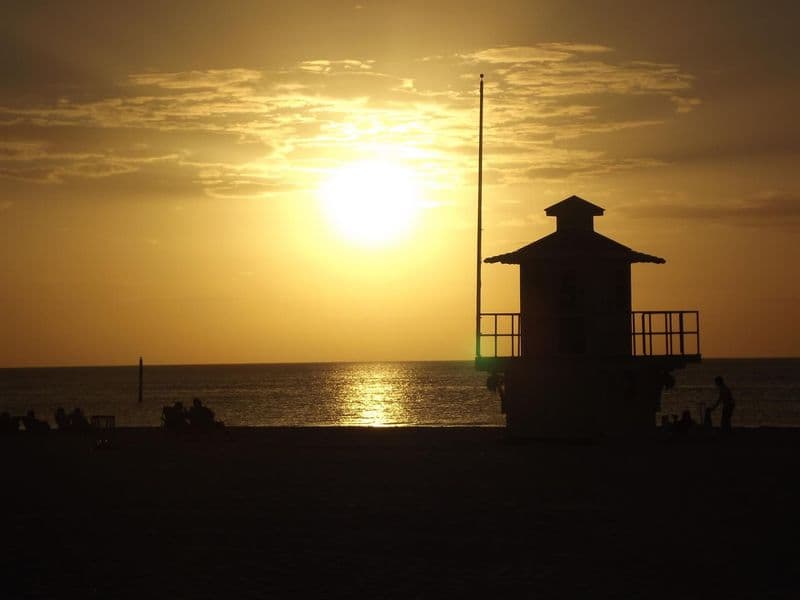
Campervan Rental Clearwater, Florida — Clearwater Beach, Caladesi Island, Tarpon Springs, Fort De Soto and Tips for 2027
By campervan from Clearwater: the Gulf beaches, Caladesi and Honeymoon islands, Tarpon Springs, St. Petersburg, Fort De Soto and the manatees of Crystal River.
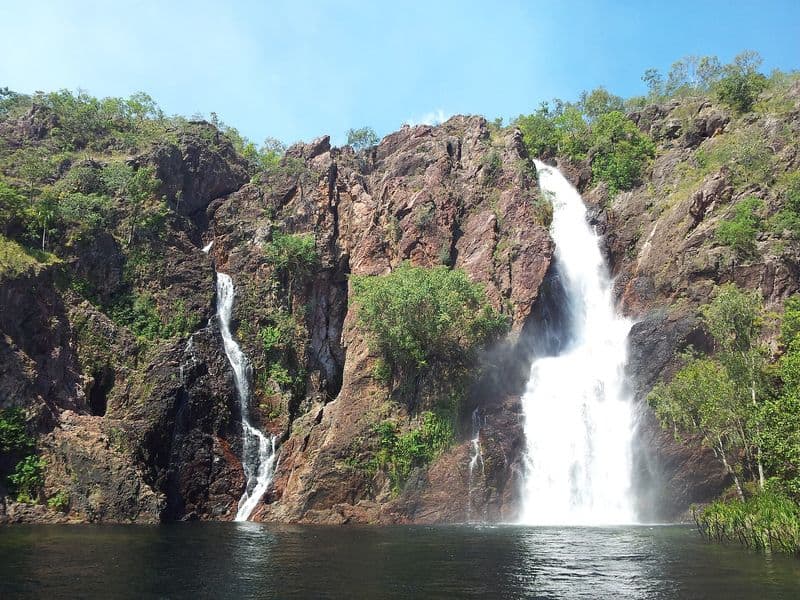
Campervan Hire Darwin — Litchfield, Kakadu, Katherine Gorge, the Stuart Highway and Tips for 2027
By campervan from Darwin: Litchfield's waterfalls, Kakadu's rock art and wetlands, Katherine Gorge and the Stuart Highway. Camping, crocodiles, dry season.
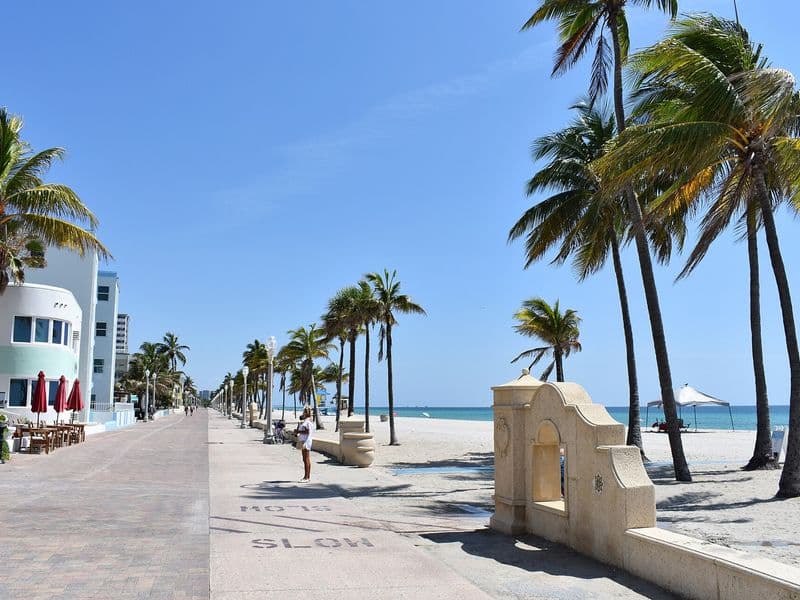
Campervan Rental Hollywood, Florida — the Broadwalk, Miami, the Florida Keys, the Everglades and Tips for 2027
By campervan from Hollywood, Florida: the Broadwalk, Miami, Biscayne and Everglades national parks and the Overseas Highway to Key West. Camping, tolls, season.
Rent a camper today
View all campers for rent