
Campervan Hire Zaragoza — Pyrenees, Ordesa, Bardenas Reales and Tips for 2027
Zaragoza lies almost exactly halfway between Madrid, Barcelona, Bilbao and Valencia, each about 300 km away, which makes it a natural stop on a longer trip through Spain. The city is also the best starting point for the Aragonese Pyrenees, about two hours to the north, and for landscapes that few visitors expect: the semi-desert of the Bardenas Reales, the waterfalls of the Monasterio de Piedra and the medieval towns of Teruel and Albarracín. This guide covers routes, overnight stops and the rules that visitors most often run into.
Short trips from Zaragoza
- Belchite (about 50 km): the ruins of the old village, destroyed in the Spanish Civil War and left as they were. The old town can only be visited on a guided tour.
- Moncayo and the Monastery of Veruela (about 65 km): a Cistercian monastery at the foot of the highest mountain in the Iberian System, with beech forests and walks on its slopes.
- Bardenas Reales (about 100 km, in Navarra): a semi-desert of clay hills and buttes such as Castildetierra. The tracks are gravel, the park is open only in daylight and part of it is a military range, so check your rental contract and the opening hours before you go.
- Monasterio de Piedra (about 120 km): a park with waterfalls, caves and walkways around a former monastery. You can combine it with Calatayud on the way.
Into the Pyrenees
- Jaca and Canfranc (Jaca about 145 km): a fortress town with a Romanesque cathedral; 25 km further is the grand old international station at Canfranc. The Hecho and Ansó valleys to the west are quiet and green.
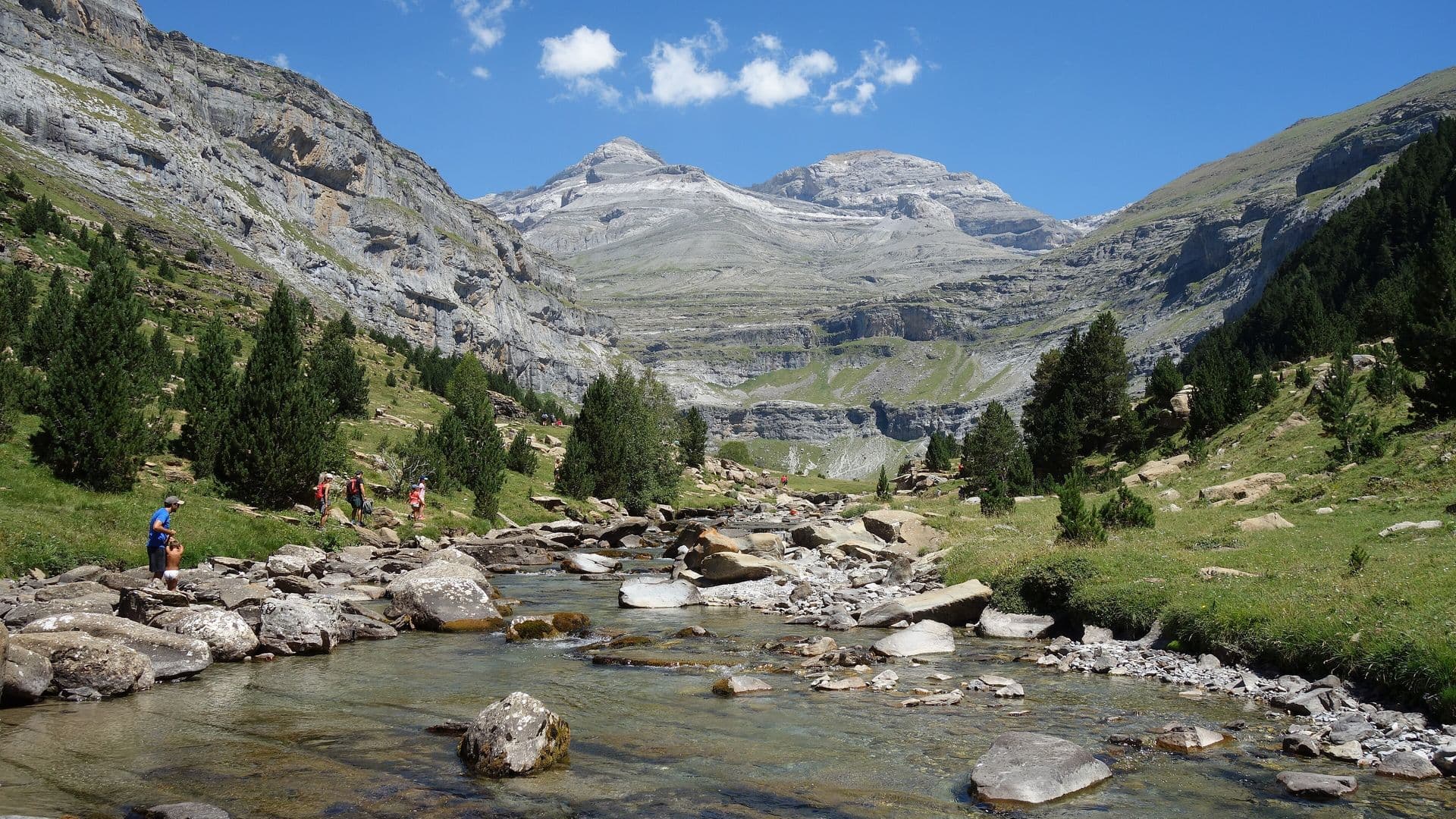
- Ordesa y Monte Perdido National Park (Torla about 180 km): the classic walk goes from the Pradera de Ordesa to the Cola de Caballo waterfall. In the high season the road from Torla into the valley is closed to private vehicles, so leave the campervan in Torla and take the shuttle bus.
- Aínsa and Alquézar (Alquézar about 120 km from Zaragoza): a medieval square in Aínsa and the canyons of the Sierra de Guara around Alquézar. The streets in both villages are narrow, so park at the entrance.
- Benasque (about 230 km): a valley under the Aneto, the highest peak in the Pyrenees.
A loop Zaragoza – Huesca – Jaca – Torla – Aínsa – Alquézar – Zaragoza is about 600 km. Allow five to seven days, because the mountain roads are slow.
Further away are Teruel (about 180 km), with its Mudéjar towers, and Albarracín (about 220 km), one of the most beautiful villages in Spain. If you are heading on to the coast, see our guides to campervan hire in Barcelona and campervan hire in Madrid.
Where to stay overnight
- City campsite. Zaragoza has a municipal campsite in the south-west of the city, with powered pitches and a bus connection to the centre. It is the easiest base for a visit to the Basilica del Pilar and the old town, where you should not drive a campervan.
- Motorhome areas. Many villages in Aragon have áreas de autocaravanas with water and waste disposal, some free and some for a small fee. Camping apps show the current list and reviews.
- Pyrenees campsites. Around Torla, Aínsa and Benasque there are many campsites, but in July and August book ahead. Overnight stays inside the national park are not allowed.
- Parking or camping. In Spain a campervan may park wherever any other car may, but putting out an awning, chairs or levelling blocks counts as camping and is allowed only at campsites and in permitted areas. More in our guide to overnight parking with a campervan in Spain.
Driving tips
- The cierzo. A strong north-westerly wind often blows down the Ebro valley for days. On motorways and bridges it can push a tall vehicle sideways; slow down and check the forecast.
- Low-emission zone. Like other large Spanish cities, Zaragoza is introducing a low-emission zone (ZBE). Check the city's current rules and your vehicle's environmental label before you drive into the centre.
- Motorways. The A-2 towards Madrid and Barcelona and the A-23 towards Huesca and Teruel are toll-free. The AP-68 towards Bilbao has been a toll road; check its current status before you travel.
- Speed limits. On motorways a motorhome up to 3,500 kg may usually drive at up to 120 km/h, a heavier one at up to 90 km/h.
- Winter. From December to March, mountain roads in the Pyrenees can be snowy; carry snow chains or check whether your rental vehicle has winter tyres.
When to go
Spring (April to June) and autumn (September and October) are the best seasons, with mild weather in the city and green or golden valleys in the mountains. In summer Zaragoza is often above 35 °C, but that is the best time for the Pyrenees, where nights stay cool. Around 12 October the city celebrates the Fiestas del Pilar, when campsites fill up and the centre is crowded. Winter in the Ebro valley is cold and often foggy, while the Pyrenees turn to skiing.
A campervan in Zaragoza through Crystalium Booker
We are still building our campervan offer in Zaragoza. Send us your dates and group size through the contact page and we will look for a vehicle for you, and keep an eye on the campervans in Zaragoza page for new listings. Do you rent out a campervan in or around Zaragoza? List it with us.
Frequently Asked Questions
How far are the Pyrenees from Zaragoza by campervan?
Jaca is about 145 km away, roughly an hour and three quarters, and Torla, the gateway to Ordesa, about 180 km or two and a half hours. A loop through the Aragonese Pyrenees with Jaca, Ordesa, Aínsa and Alquézar is about 600 km and takes five to seven days.
Can I drive my campervan to the Pradera de Ordesa?
Not in the high season. At Easter, in summer and on some long weekends the road from Torla into the Ordesa valley is closed to private vehicles, and visitors take a shuttle bus from the car park in Torla. Check the national park's calendar before you go.
Where can I stay overnight with a campervan in Zaragoza?
The simplest option is the city campsite in the south-west of Zaragoza, which has a bus connection to the centre. Many villages in Aragon also have motorhome service areas. Parking is allowed like any other vehicle, but camping on the street (awning, chairs, levelling blocks) is not.
What is the cierzo and why does it matter?
The cierzo is a strong, dry north-westerly wind that blows down the Ebro valley, often for several days. Gusts can push a tall, light campervan sideways on motorways and bridges, so slow down, keep both hands on the wheel and check the forecast before long drives.
Related articles
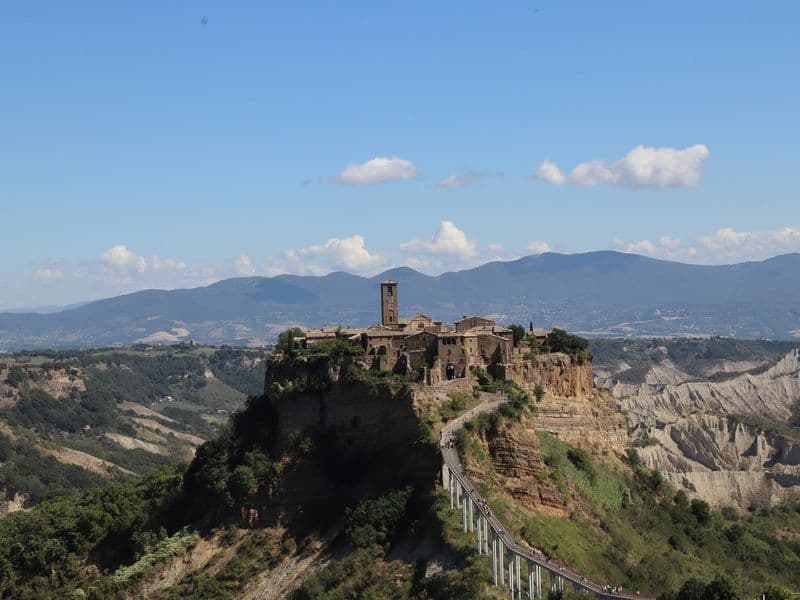
Campervan Hire Rome — Tivoli, Castelli Romani, Civita di Bagnoregio and Tips for 2027
By campervan from Rome: Tivoli, Castelli Romani, Lake Bracciano, Orvieto and Civita di Bagnoregio. ZTL rules, where to stay overnight, tolls and season.
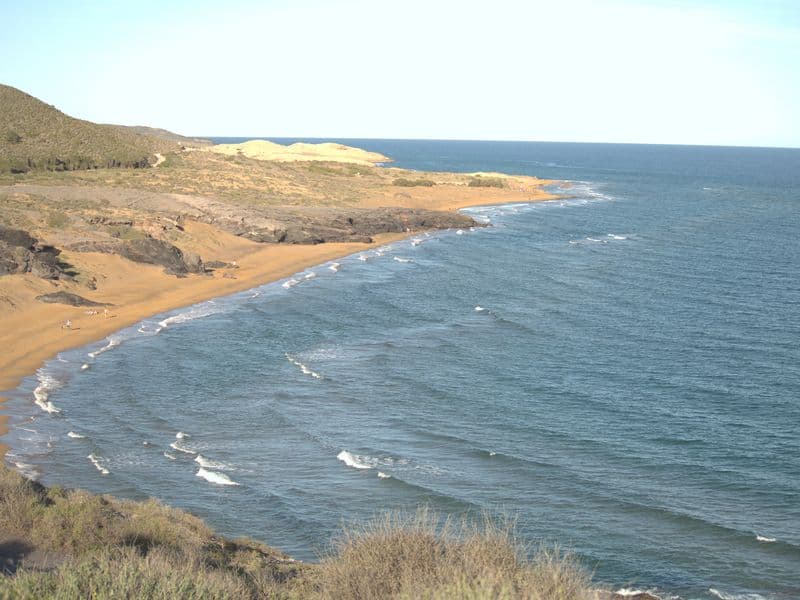
Campervan Hire Murcia — Costa Cálida, Mar Menor, Cartagena and Tips for 2027
By campervan from Murcia: Cartagena, Calblanque, the Mar Menor, Mazarrón and Sierra Espuña. Where to stay overnight, winter on the coast and the best season.
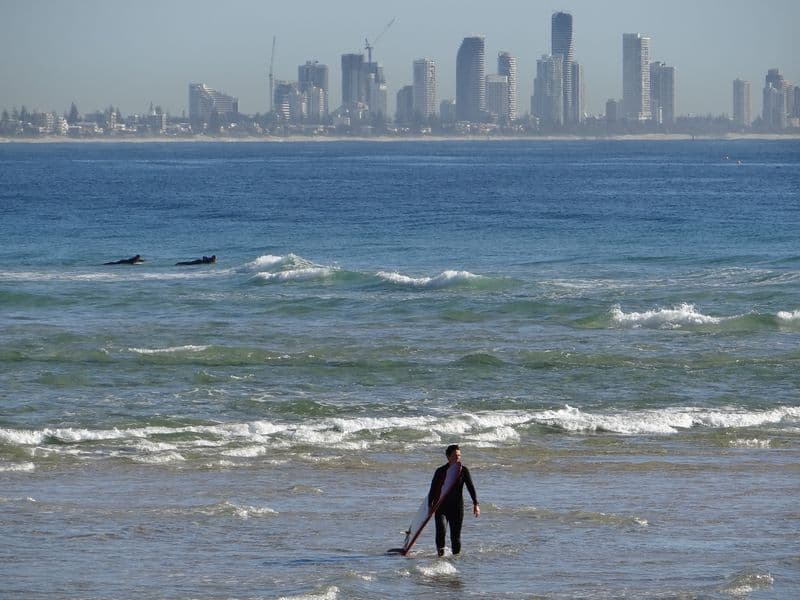
Campervan Hire Gold Coast — Surfers Paradise, Hinterland, Byron Bay and Tips for 2027
By campervan from Surfers Paradise: Tamborine Mountain, Springbrook, Lamington and the coast to Byron Bay. Where to stay overnight and the best season.
Rent a camper today
View all campers for rent