
Campervan Hire Barcelona — Costa Brava, the Pyrenees and Tips for 2027
Barcelona puts three different trips within two hours' drive: the coves of the Costa Brava to the north, the Pyrenees to the north-west and the rice fields of the Ebro Delta to the south. The city itself is the hard part. There is no campsite inside Barcelona, the area inside the ring roads is a low-emission zone on working days, and a parked campervan is a target for thieves. Decide where the vehicle will stand while you see the city, and plan the driving for the days after.
Three directions from Barcelona
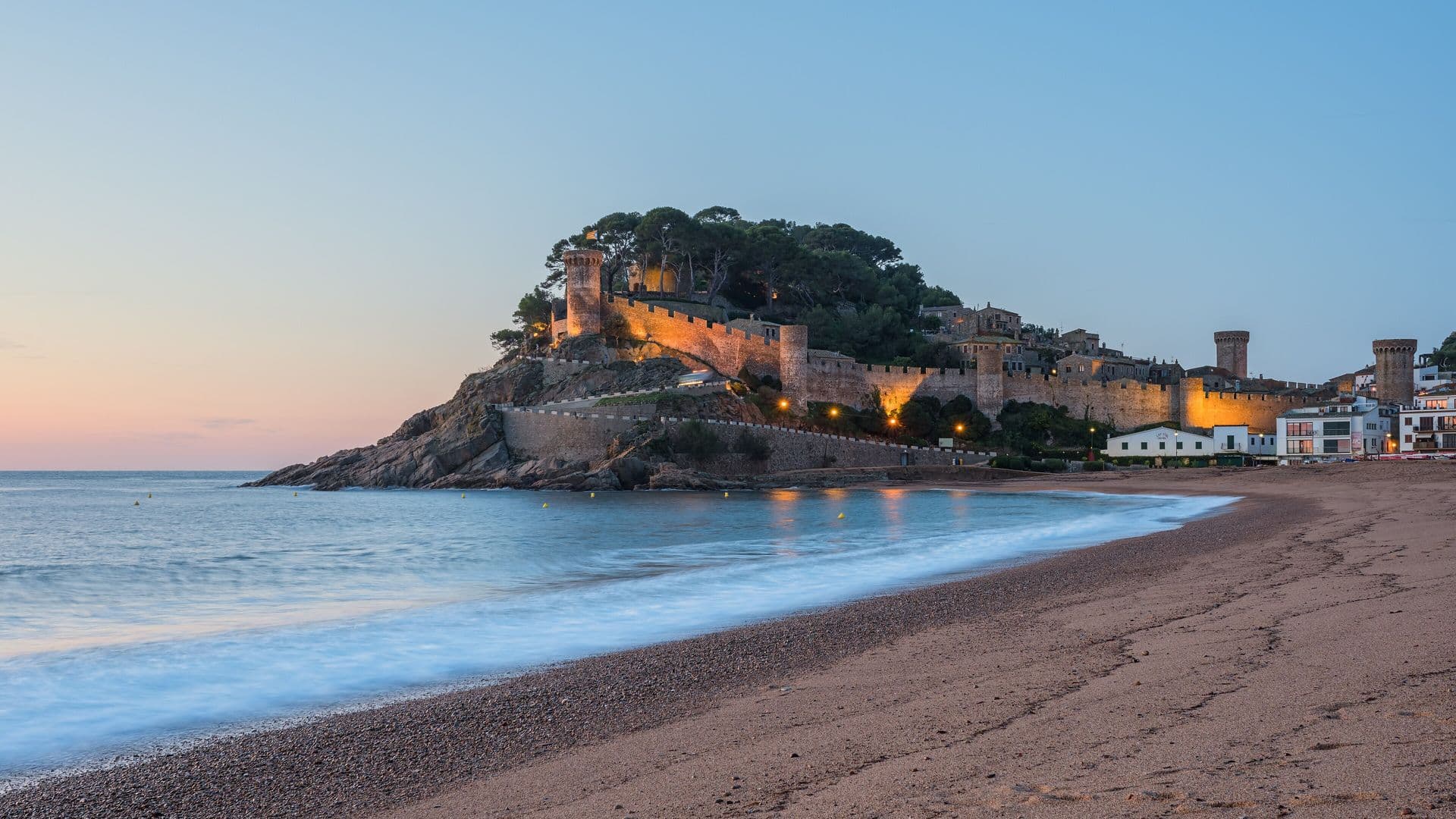
- Costa Brava (north). The coast begins at Blanes, about 70 km from Barcelona. Tossa de Mar, with its walled old town above the beach, is about 100 km away; the coves of Calella de Palafrugell and Begur about 125 km; the Greek and Roman ruins of Empúries about 145 km. Cadaqués, at the end of a winding road over the hills from Roses, is about 170 km and two and a quarter hours away. Girona (100 km) and the Dalí museum in Figueres (140 km) lie inland on the same route.
- The Pyrenees (north-west). Montserrat, the monastery on a serrated mountain, is only about 55 km away; leave the campervan at the rack-railway station in Monistrol and go up by train. Further north the C-16 leads through the Cadí tunnel to La Cerdanya and Puigcerdà, about 150 km from Barcelona. Aigüestortes i Estany de Sant Maurici, the only national park in Catalonia, is about 250 km away; the entrance is at Espot, private vehicles are not allowed into the park, and you continue by park taxi or on foot.
- Tarragona and the Ebro Delta (south). Sitges is about 40 km down the coast, and Tarragona, with its Roman amphitheatre by the sea, about 100 km. The Ebro Delta, about 180 km from Barcelona, is flat land of rice fields, lagoons and flamingos, and it is quiet when the Costa Brava is full.
Where to leave the campervan and where to sleep
- For visiting Barcelona. Stay outside the city and take the train. From the campsite and the fenced motorhome area in El Masnou, on the coast about 17 km to the north, the R1 line reaches the centre in about 25 minutes. Camping 3 Estrellas in Gavà, south of the airport, has a bus (L94) to Plaça Catalunya that takes about 40 minutes. In the city itself there is a guarded motorhome area run by the municipal parking company (BSM) on García Fària street in Poblenou, about 15 minutes on foot from the metro (L4).
- On the Costa Brava. The coast has dozens of campsites, many right on the beach, but most are open only from around Easter to October, and in July and August they are full without a reservation. Beach car parks often have height barriers at about 2 m, and many coastal towns ban overnight parking of motorhomes; the dependable choice is the private and municipal motorhome areas found in most resorts.
- In the mountains. Many towns in the Pyrenees and their foothills maintain free or cheap motorhome areas with water and a dump point. Campsites in La Cerdanya and the high valleys open in summer and again for the ski season.
- No wild camping. Camping outside campsites is prohibited in Catalonia. Spending the night in a legally parked vehicle, with nothing set up outside, counts as parking under the national DGT guidance, but municipal by-laws on the coast often forbid it, and in summer the fines are actually issued.
Driving and the costs visitors forget
- Low-emission zone. The ZBE Rondes de Barcelona covers the city inside the ring roads and parts of the neighbouring towns. On working days from 7 am to 8 pm, vehicles without a DGT environmental label may not drive there; the fine is 200 euros. The ring roads themselves (Ronda de Dalt and Ronda Litoral) are not in the zone. A campervan hired in Spain has a label, so the rule rarely affects you; a vehicle registered abroad must be entered in the register of the metropolitan authority (AMB) before it drives in.
- Tolls. The AP-7 along the coast and the AP-2 inland have been free since 2021. You still pay on the C-16 (the Vallvidrera tunnels on the way out of Barcelona, the stretch to Manresa and the Cadí tunnel) and on the C-32 south of the city, through the Garraf tunnels towards Sitges. The free alternative to the Garraf tunnels is the C-31 coast road, narrow and winding.
- Theft. Barcelona and the service areas on the AP-7 motorway have long been known for vehicle break-ins. Never leave passports, cameras or laptops in the vehicle, do not spend the night at motorway service areas, and do not stop for strangers who signal that something is wrong with your tyre: drive on to a busy place first.
- Wind and narrow roads. In the Empordà, in the north of the Costa Brava, the tramuntana blows hard from the north for days at a time, and a tall vehicle feels it on the open plain and on the road to Cadaqués. The coast road between Tossa de Mar and Sant Feliu de Guíxols is more than 20 km of continuous bends; allow 45 minutes.
- Driving licence and speed. As elsewhere in Spain: category B covers vehicles of up to 3,500 kg, and a campervan up to that weight may drive 120 km/h on motorways and 90 km/h on other roads outside built-up areas. Rental companies usually ask for a minimum age of 23 to 25 and a licence held for at least two years.
When to go
The coast is at its best in May, June and September: the sea is warm enough from mid-June (about 21 °C) and reaches 24 to 25 °C in August; the campsites have space and the coast roads are not jammed. July and August are the peak of the season on the Costa Brava: campsites have to be booked months ahead, prices are at their highest, and the car parks at the coves are full by 10 am. The Pyrenees are for June to September, when the high passes and trails are free of snow; from December to April expect snow above 1,500 m and carry chains. The Ebro Delta is at its best in spring and autumn, during the bird migration; in summer the mosquitoes there are a real nuisance. Winter in Barcelona is mild, with days of about 14 °C, but most coastal campsites are closed.
A campervan in Barcelona through Crystalium Booker
We are still building our campervan offer in Barcelona. Send us your dates and group size through the contact page and we will look for a vehicle for you, and keep an eye on the campervans in Barcelona page for new listings. Do you hire out a campervan in or around Barcelona? List it with us.
Frequently Asked Questions
Where can you park a campervan to visit Barcelona?
There is no campsite inside the city. The practical choice is a campsite or motorhome area on the coast outside it, for example in El Masnou (R1 train, about 25 minutes to the centre) or Gavà (bus, about 40 minutes), and public transport from there. Do not leave valuables in the vehicle.
Can a campervan drive in Barcelona's low-emission zone?
On working days from 7 am to 8 pm, vehicles without a Spanish environmental label may not drive inside the ring roads; the fine is 200 euros. A campervan hired in Spain has a label and may enter. A vehicle registered abroad must be entered in the metropolitan authority's register in advance.
Is wild camping allowed on the Costa Brava?
No. Camping outside campsites is prohibited in Catalonia, and many coastal towns also ban overnight parking of motorhomes and have height barriers at beach car parks. Use campsites or motorhome areas, and book ahead for July and August.
When is the best time for a campervan trip from Barcelona?
For the coast, May, June and September: warm weather, free campsites and less traffic. July and August are crowded and expensive. The Pyrenees are best from June to September; in winter there is snow on the mountain roads.
Related articles
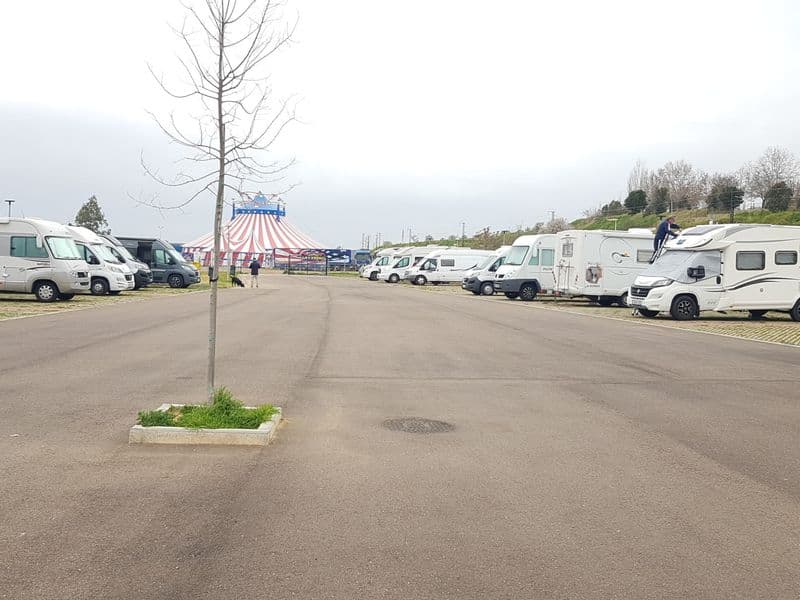
Campervanning in Spain — Overnight Parking vs Camping, Áreas de Autocaravanas and Low-Emission Zones in 2027
Campervanning in Spain: where you may sleep overnight and where not, how áreas de autocaravanas and campsites work, and low-emission zones in Madrid and Barcelona.
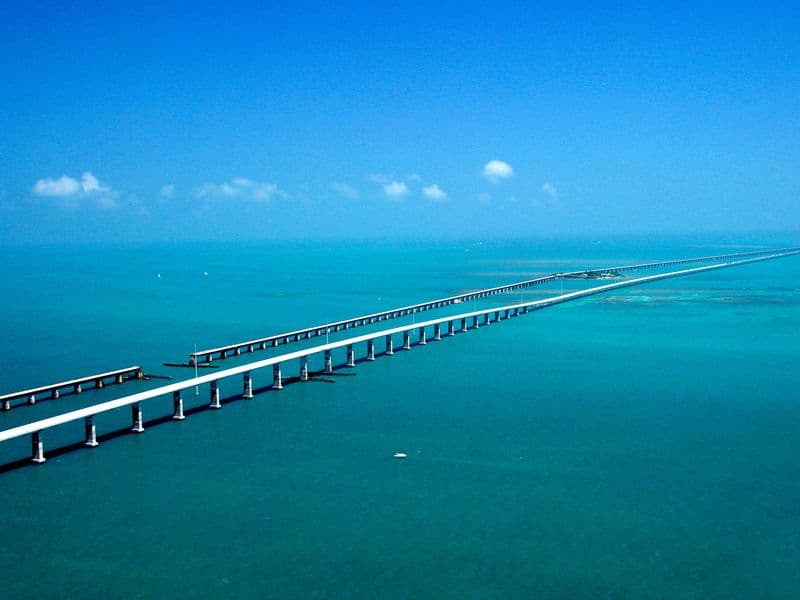
Renting a Campervan in the USA as a European — Licence, Insurance, Mileage and Campgrounds in 2027
What European guests need to rent a campervan or RV in the USA: driving licence, insurance, per-mile charges, campground types and tips for Florida.
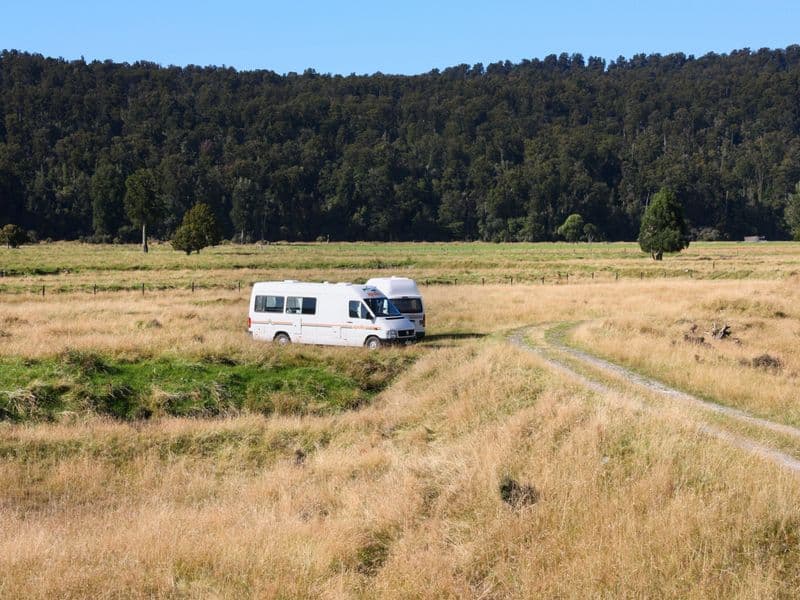
Freedom Camping in New Zealand — Rules, Self-Contained Certification and Fines in 2027
Where you may freedom camp in New Zealand, what the green self-contained warrant means, how fines reach rental guests, and how to plan the route and ferry.
Campers available for rent — Barcelona
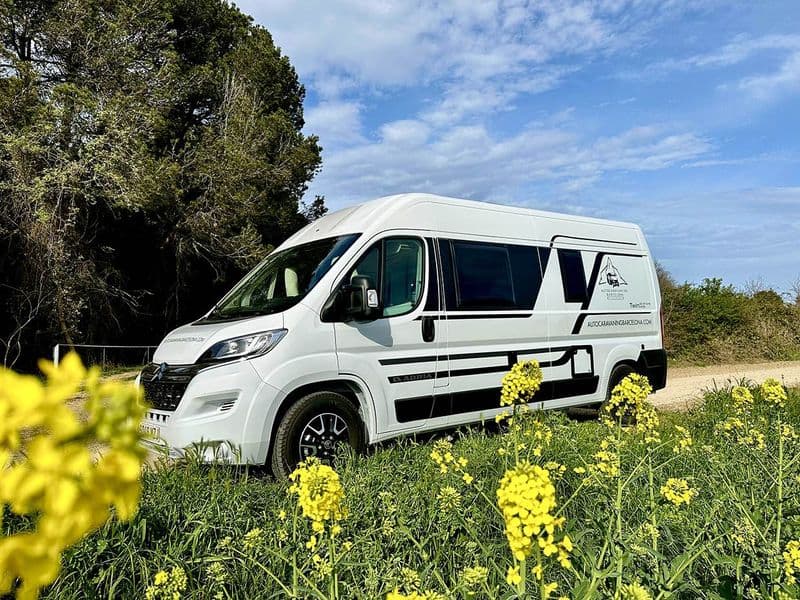
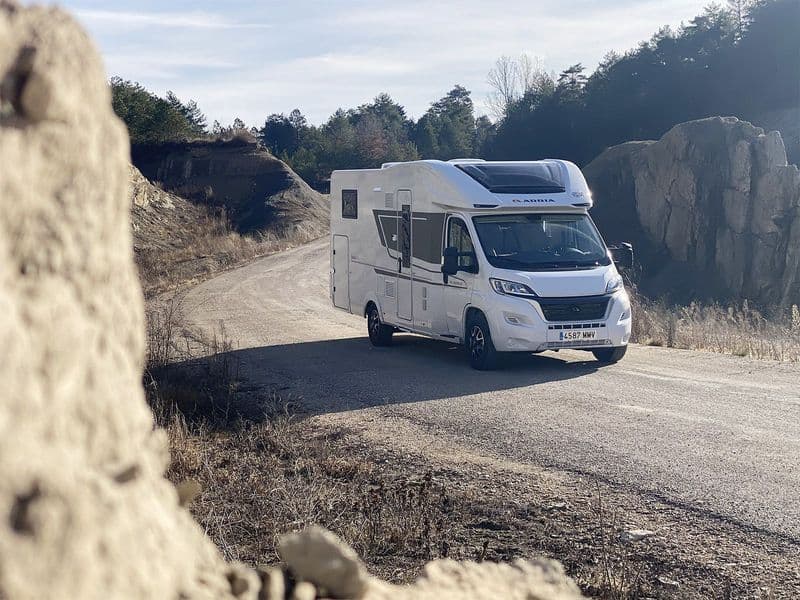
Rent a camper in Barcelona?
View all campers for rent