
Campervan hire in Bilbao — Gaztelugatxe, San Sebastián, Rioja Alavesa and tips for 2027
Bilbao, the largest city in the Basque Country, turned from an industrial port into a city of architecture and food, with the Guggenheim Museum on the river and pintxo bars in the old town. As a starting point for a campervan trip it works very well: green hills and a wild Atlantic coast start right outside the city, San Sebastián is about an hour away, and the vineyards of Rioja Alavesa and the coast of Cantabria are within easy reach. This guide covers routes, places to stay and the rules travellers run into most often.
Bilbao itself
Leave the campervan at the motorhome area on Kobetamendi hill or on the edge of the city and get around by metro and tram. Bilbao has a low-emission zone (ZBE) and almost all of its streets have a 30 km/h limit. The Guggenheim and the riverside promenade, the Casco Viejo with its Siete Calles and the Ribera market are all within walking distance of each other, and the Artxanda funicular climbs to a viewpoint over the city.
The Biscay coast
- Getxo and the Vizcaya Bridge (about 15 km): the world's oldest transporter bridge, a UNESCO World Heritage site, carries people and cars across the river mouth in a hanging gondola.
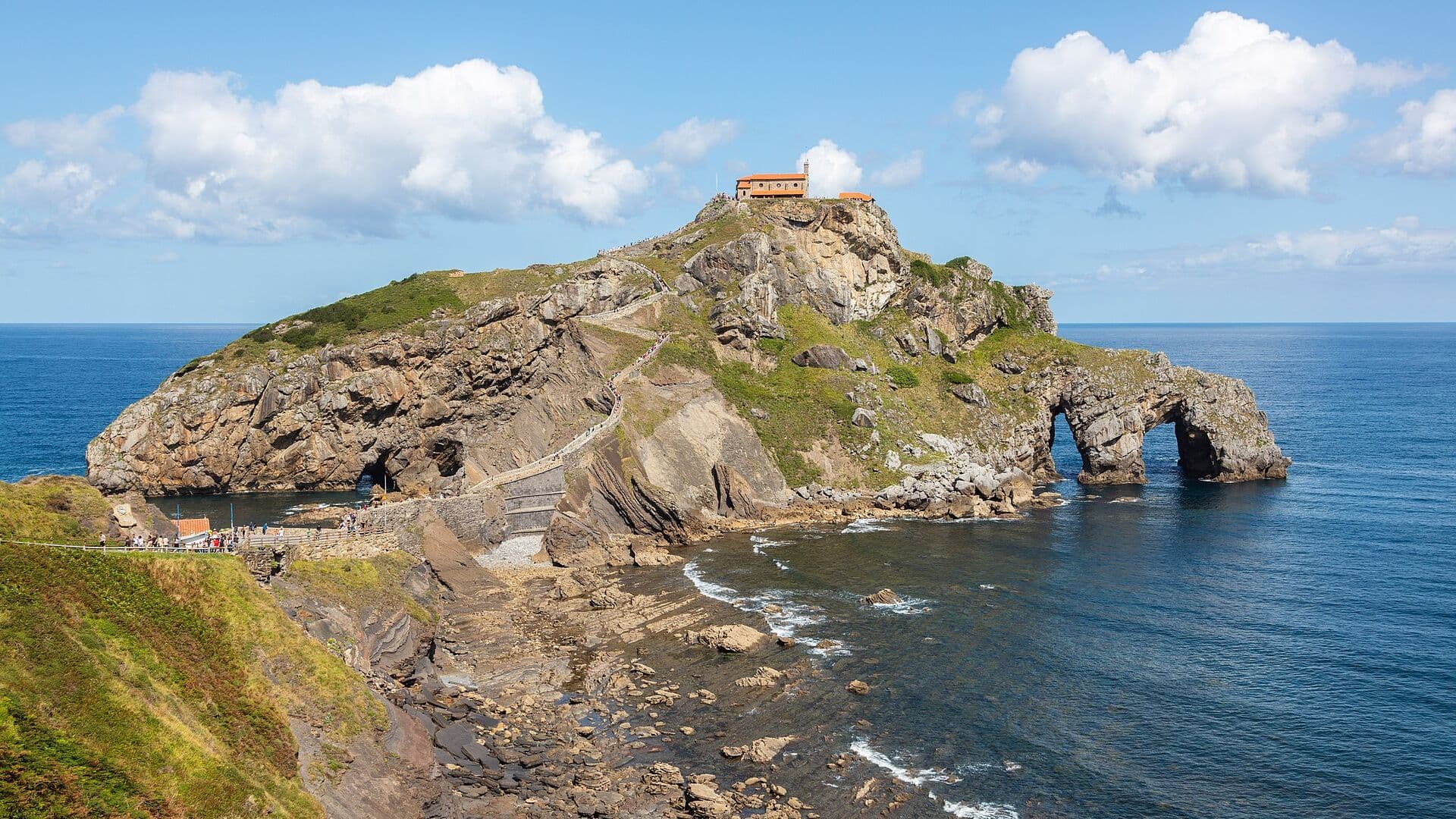
- San Juan de Gaztelugatxe (about 35 km): a hermitage on a rocky islet reached by a stone path and about 240 steps. In the busy season, access is by free online booking.
- Urdaibai (about 35–45 km): a UNESCO biosphere reserve around the Mundaka estuary, with the fishing port of Bermeo, Mundaka's surf break, Gernika and the cliffside village of Elantxobe.
- Getaria and Zarautz (about 75 km): the home of txakoli white wine and grilled fish, and a long surf beach next door.
- San Sebastián (about 100 km): La Concha bay, the old town's pintxo bars and Monte Igueldo. The city has a dedicated motorhome area and does not welcome overnight stays elsewhere.
Inland and towards Cantabria
- Vitoria-Gasteiz (about 65 km): the Basque capital, with a medieval quarter and one of Spain's greenest city centres.
- Rioja Alavesa (about 110 km to Laguardia): a walled wine village above underground cellars, surrounded by wineries offering tours and tastings.
- Cantabria (about 35–130 km): the harbour of Castro Urdiales, the beaches around Laredo and Santander, and the medieval village of Santillana del Mar near the Altamira cave museum. The Picos de Europa are a further hour or two west.
Heading south? See our Zaragoza campervan guide, and for the rules on parking and overnight stays across Spain, our guide to campervan overnight parking in Spain.
Where to stay
- Motorhome areas. Bilbao has a municipal motorhome area on Kobetamendi with views over the city, and many Basque and Cantabrian towns have an área de autocaravanas, sometimes free, more often for a small fee, with water and waste disposal.
- Campsites. There are campsites along the coast, around Urdaibai and near San Sebastián. In July and August, book ahead.
- Parking versus camping. In Spain a campervan may generally park like any other vehicle, but chairs, an awning, levelling blocks or opened windows that extend outside the vehicle count as camping and are only allowed at campsites and designated areas. Some coastal towns have their own stricter bans.
Driving tips
- Low-emission zones. Bilbao, Vitoria and San Sebastián have low-emission zones (ZBE). Rental campervans normally carry a DGT environmental label; check with the rental company.
- Tolls. The AP-8 towards San Sebastián and the AP-68 towards La Rioja have tolls, while many other main roads, such as the A-8 towards Cantabria, are free.
- Speed limits. Generally 120 km/h on motorways, 90 km/h on other roads outside built-up areas, and 50 or 30 km/h in town; heavier motorhomes over 3.5 tonnes have lower limits.
- Coastal roads. The roads along the Biscay coast are narrow and winding, especially to Elantxobe and around Gaztelugatxe; drive slowly and avoid the busiest summer weekends.
When to go
June to September is the best time, with long days and the warmest sea, though rain is possible in any month on this green Atlantic coast. In August, Bilbao's Aste Nagusia festival fills the city, and San Sebastián's beaches are at their busiest. Spring and autumn are quieter and greener, and winters are mild but wet.
A campervan in Bilbao with Crystalium Booker
We are still building up our campervan offer in Bilbao. Send us your dates and number of travellers through the contact page and we will look for a vehicle for you, and keep an eye on the campervans in Bilbao page for new listings. Do you rent out a campervan in or around Bilbao? List it with us.
Frequently Asked Questions
Can I drive a campervan into central Bilbao?
You can, but it is not worth it. Bilbao has a low-emission zone (ZBE) where vehicles without a Spanish DGT environmental label are restricted, almost all city streets have a 30 km/h limit, and parking for tall vehicles is scarce. Rental campervans normally carry a label, but leave the van at the motorhome area or on the edge of the city and take the metro or tram.
Where can I stay overnight with a campervan in Bilbao?
At the municipal motorhome area on Kobetamendi hill above the city, at campsites along the coast, or at motorhome areas (áreas de autocaravanas) in the towns of the Basque Country. In Spain you may generally park a campervan like any other vehicle, but camping outside campsites is restricted.
Do I need a reservation for San Juan de Gaztelugatxe?
In the busy season, access to the islet is by free online booking for a time slot, while outside it you can usually walk down without one. Check the official Bizkaia tourism site before you go, and park in the car parks on the road above.
Are the motorways around Bilbao tolled?
Some are. The AP-8 towards San Sebastián and the AP-68 towards La Rioja have tolls, while many other main roads are free. Pay by card or cash at the booths.
Related articles
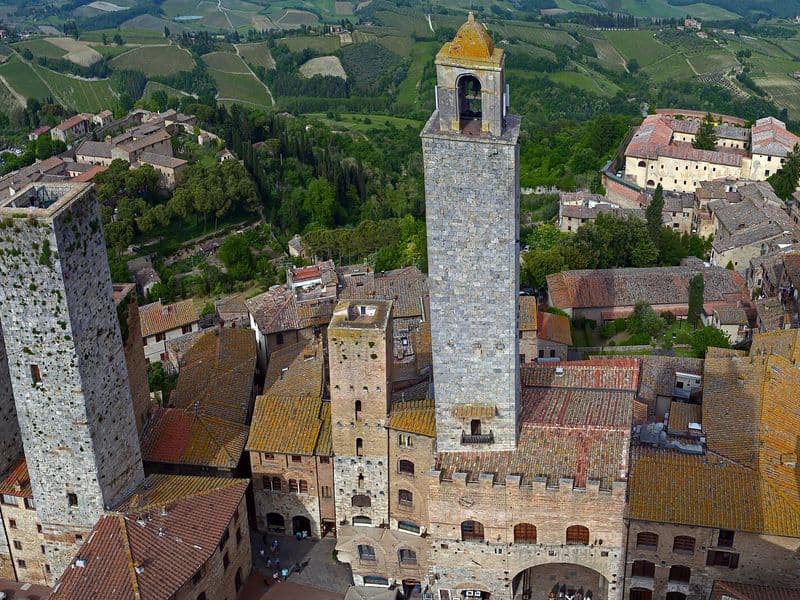
Campervan hire in Florence — Chianti, San Gimignano, Siena, Val d'Orcia and tips for 2027
By campervan from Florence: Chianti, San Gimignano, Siena, Val d'Orcia, Lucca, Pisa and the Cinque Terre. ZTL, where to stay overnight, tolls and seasons.
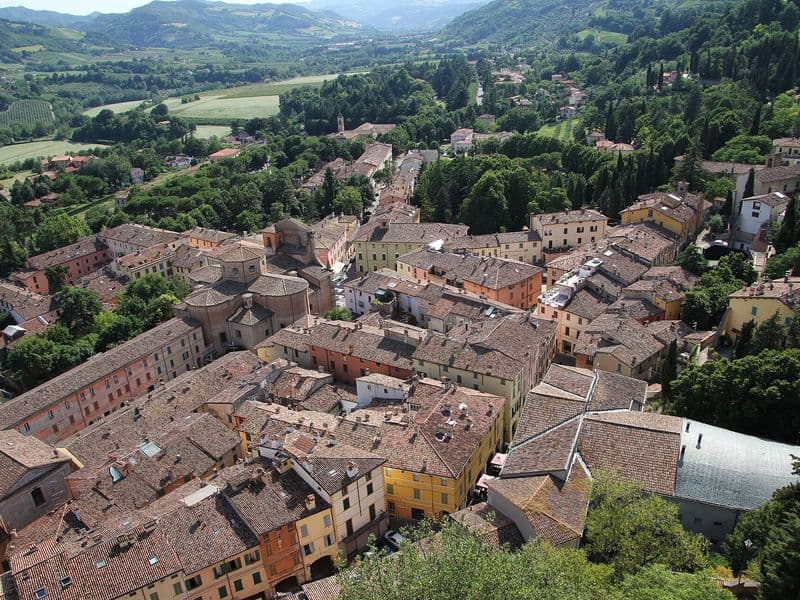
Campervan hire in Bologna — Modena, Parma, Ravenna, the Romagna hills and tips for 2027
By campervan from Bologna: Modena, Parma and Ferrara, the Romagna hills, Ravenna's mosaics, the Po Delta and the Adriatic coast. ZTL, overnight stays and tolls.
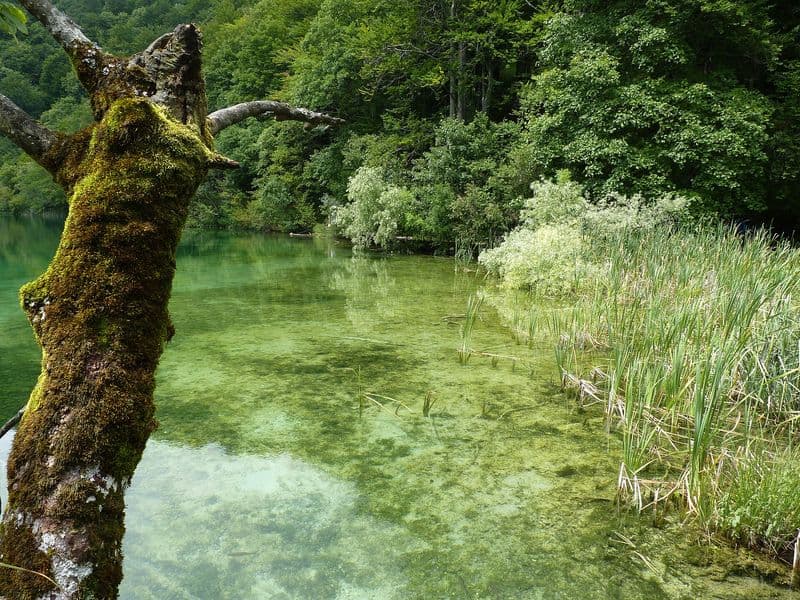
Campervan hire in Zagreb — Plitvice Lakes, Zagorje, Varaždin and tips for 2027
By campervan from Zagreb: Plitvice Lakes, Samobor, the castles and spas of Zagorje, Varaždin, Karlovac and the coast. Overnight rules, tolls and seasons.
Rent a camper today
View all campers for rent