
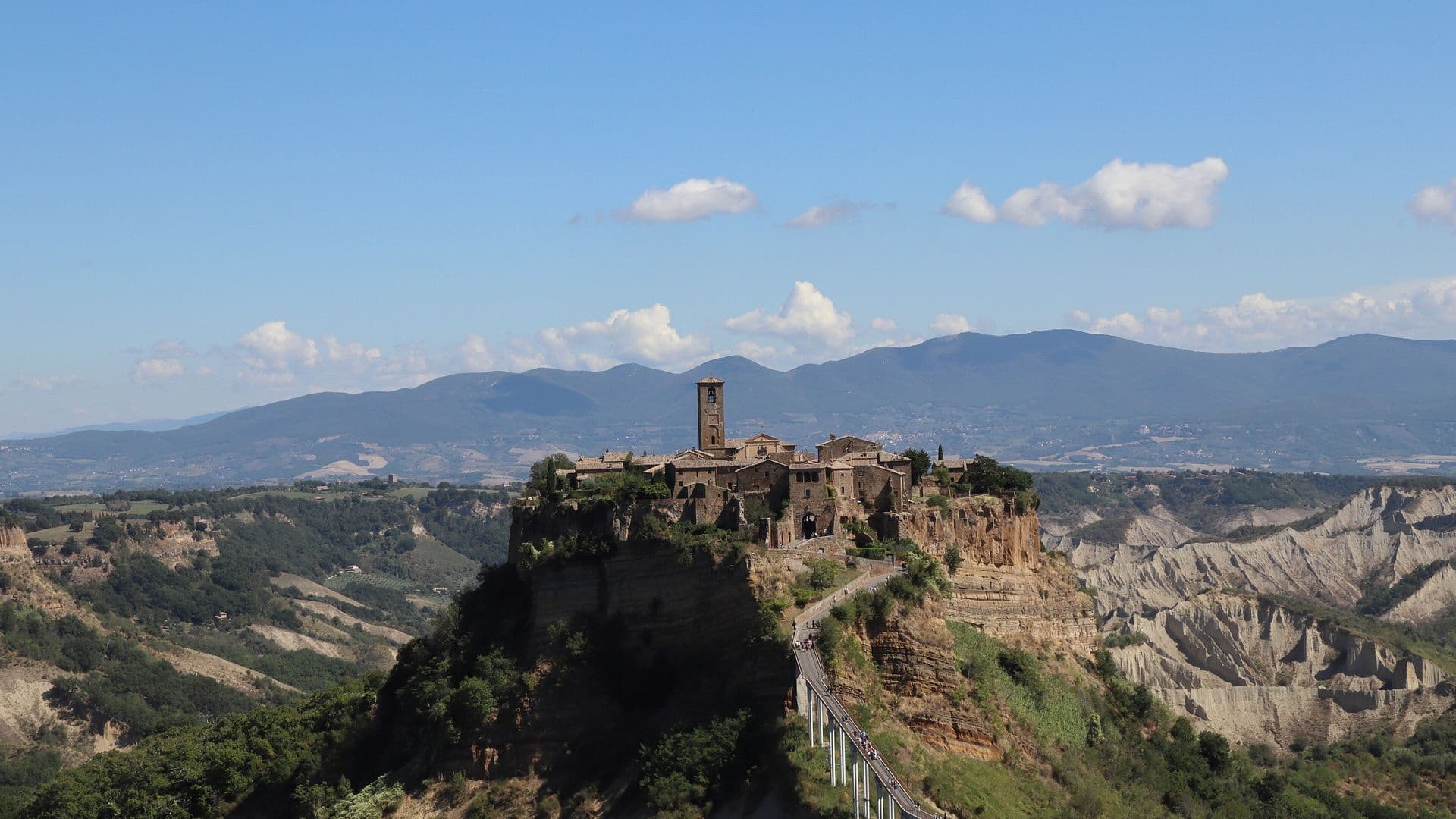
Campervan Hire Rome — Tivoli, Castelli Romani, Civita di Bagnoregio and Tips for 2027
Rome is a city to explore on foot and by public transport, not from behind the wheel of a campervan. As a starting point for a trip, though, it works very well: within an hour you are in the Alban Hills, at the villas of Tivoli or on the shores of Lake Bracciano, and within two hours in Tuscia, a region of volcanic lakes, Etruscan towns and Civita di Bagnoregio on its crumbling hilltop. This guide covers routes, overnight stops and the rules that visitors most often run into.
Rome itself
Leave the campervan at a campsite on the outskirts and go into the centre by bus, tram or metro. The historic centre is a limited traffic zone (ZTL) monitored by cameras, and entering without a permit means a fine. Rome also has a low-emission zone, the Fascia Verde, which restricts older vehicles on weekdays; most rental campervans are recent, but check with the rental company. Narrow streets, a lack of parking for tall vehicles and heavy traffic are reasons enough to visit the Colosseum, the Vatican and Trastevere on foot.
Short trips from Rome
- Castelli Romani and Lake Albano (about 25 km): hill towns such as Frascati and Castel Gandolfo, wine bars, porchetta in Ariccia and a volcanic lake for a swim.
- Tivoli (about 30 km): the fountains of Villa d'Este and the ruins of Hadrian's Villa, both UNESCO sites.
- Ostia Antica and the coast (about 30 km): the excavations of Rome's ancient port and the nearest beaches.
- Lake Bracciano (about 40 km): a clean volcanic lake with the medieval castle of Bracciano and the lakeside towns of Anguillara and Trevignano.
Tuscia and further north
- Viterbo and Lake Bolsena (about 80–110 km): the papal city of Viterbo with its thermal springs and the largest volcanic lake in Europe.
- Civita di Bagnoregio (about 120 km): a village on a crumbling tuff hill, reached only on foot across a long footbridge. Park in Bagnoregio; visitors pay an entrance fee.
- Orvieto (about 120 km): a cathedral town on a rock above the A1 motorway; leave the campervan below and take the funicular up.
- Further afield: the Val d'Orcia in Tuscany (Pienza about 190 km), Assisi in Umbria (about 180 km) or the Abruzzo National Park in the mountains east of Rome (about 170 km). A loop through Tuscia, Umbria and southern Tuscany takes about a week.
Heading south? For a day on the water near Naples, see our guide to boat hire in Naples.
Where to stay overnight
- Campsites. Several campsites on Rome's edge have bus or train connections to the centre, shops and pitches with electricity. They are the easiest base for visiting the city; in spring, summer and around big events, book ahead.
- Motorhome areas. Many Italian towns have an area di sosta camper, sometimes free, often for a small fee, with water and waste disposal. Camping apps show the current list and reviews.
- Parking or camping. In Italy a campervan may generally park like any other vehicle unless local signs forbid it, but setting out chairs, an awning or levelling blocks counts as camping and is allowed only at campsites and designated areas.
Driving tips
- ZTL zones. Not only Rome: most Italian historic centres have limited traffic zones. Watch for the "Zona a traffico limitato" signs and never follow the satnav through the gate.
- Tolls. Autostrade such as the A1 and A24 are tolled; campervans are often charged a higher class than cars because of their height. Pay by card or cash; the Rome ring road (GRA) is free.
- Speed limits. In general 130 km/h on motorways, 110 km/h on main roads outside towns and 50 km/h in town; heavier motorhomes over 3.5 tonnes have lower limits.
- Traffic. The GRA and the roads into the city are busy at rush hour; plan arrivals and departures for mid-morning or early afternoon.
When to go
Spring (April to June) and autumn (September and October) are the best seasons: pleasant temperatures for sightseeing and walking. Summer is hot, often above 35 °C in July and August, and many Romans leave the city around Ferragosto in mid-August, when the coast and lakes are crowded. Winters are mild in Rome but bring snow to the Apennines.
A campervan in Rome through Crystalium Booker
We are still building our campervan offer in Rome. Send us your dates and group size through the contact page and we will look for a vehicle for you, and keep an eye on the campervans in Rome page for new listings. Do you rent out a campervan in or around Rome? List it with us.
Frequently Asked Questions
Can I drive a campervan into central Rome?
Better not. The historic centre is a limited traffic zone (ZTL) watched by cameras, and entering without a permit brings a fine that the rental company passes on to you. Stay at a campsite on the outskirts and use the bus, tram or metro to reach the centre.
Where can I stay overnight with a campervan in Rome?
At one of the campsites on the city's edge, several of which have a bus or train connection to the centre, or at a paid motorhome area (area di sosta camper). Parking is allowed like any other vehicle unless local signs say otherwise, but camping on the street is not.
Are motorways around Rome tolled?
Yes, Italian autostrade such as the A1 and A24 are tolled, and campervans often pay a higher class than cars because of their height. You can pay by card or cash at the barriers. The GRA ring road around Rome is free.
What are the best trips from Rome by campervan?
Tivoli with Villa d'Este and Hadrian's Villa, the Castelli Romani and Lake Albano, Lake Bracciano, and further north Tuscia with Viterbo, Lake Bolsena, Civita di Bagnoregio and Orvieto. A longer loop can continue to the Val d'Orcia in Tuscany or Assisi in Umbria.
Related articles
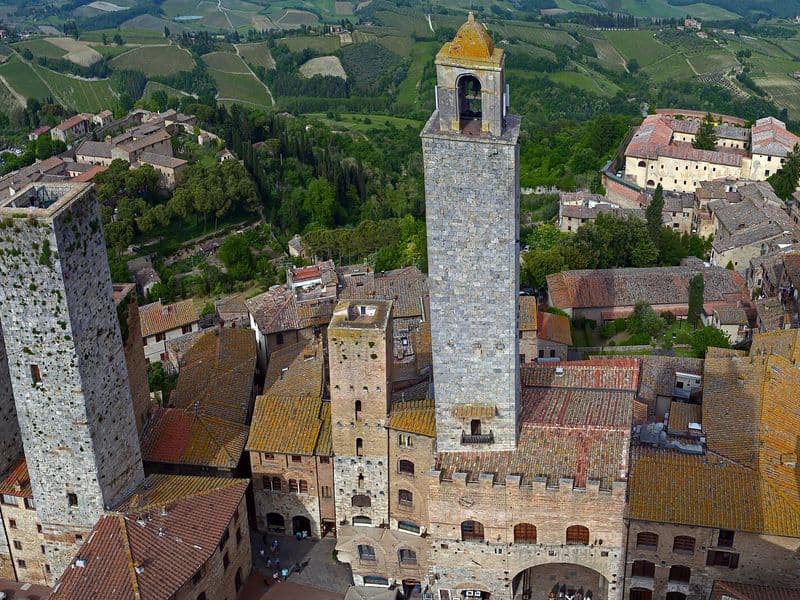
Campervan hire in Florence — Chianti, San Gimignano, Siena, Val d'Orcia and tips for 2027
By campervan from Florence: Chianti, San Gimignano, Siena, Val d'Orcia, Lucca, Pisa and the Cinque Terre. ZTL, where to stay overnight, tolls and seasons.
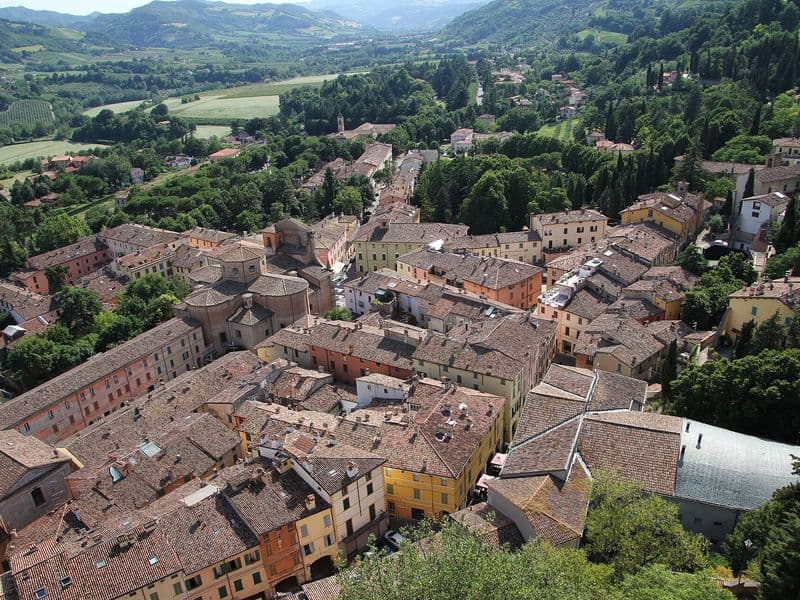
Campervan hire in Bologna — Modena, Parma, Ravenna, the Romagna hills and tips for 2027
By campervan from Bologna: Modena, Parma and Ferrara, the Romagna hills, Ravenna's mosaics, the Po Delta and the Adriatic coast. ZTL, overnight stays and tolls.
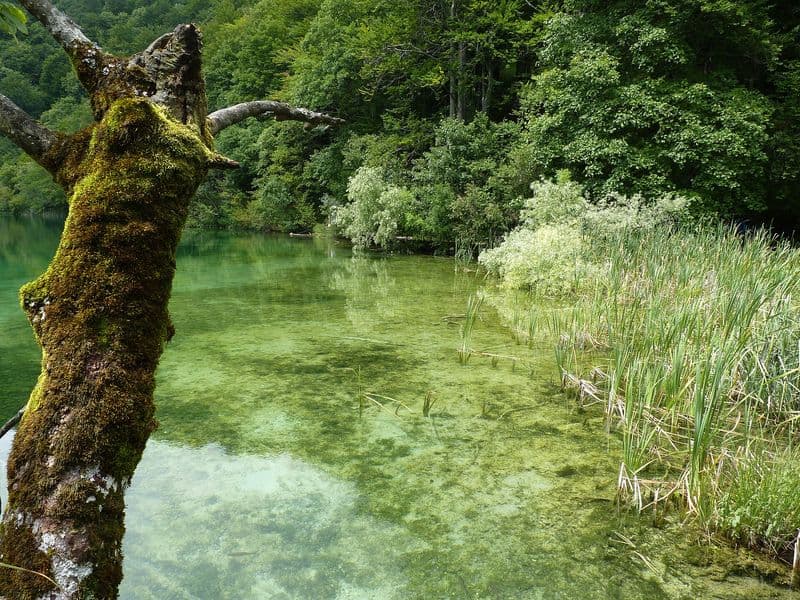
Campervan hire in Zagreb — Plitvice Lakes, Zagorje, Varaždin and tips for 2027
By campervan from Zagreb: Plitvice Lakes, Samobor, the castles and spas of Zagorje, Varaždin, Karlovac and the coast. Overnight rules, tolls and seasons.
Rent a camper today
View all campers for rent