
Campervan hire in Florence — Chianti, San Gimignano, Siena, Val d'Orcia and tips for 2027
Florence, the capital of Tuscany and the cradle of the Renaissance, is a city to see on foot: the cathedral, the Uffizi and the Ponte Vecchio are all within a few minutes' walk of each other. As a base for a campervan trip it is ideal, because the landscape that made Tuscany famous starts just outside the city: the vineyards of Chianti, the towers of San Gimignano, Siena and the cypress-lined hills of the Val d'Orcia, with Lucca, Pisa and the coast to the west. This guide covers routes, places to stay and the rules travellers run into most often.
Florence itself
Leave the campervan at a campsite or motorhome area outside the centre and go in by bus, tram or on foot. The historic centre is a large camera-controlled limited traffic zone (ZTL), and entering without a permit means a fine. There is a campsite on the hill near Piazzale Michelangelo, from which you can walk down into the city, and the view from the piazza over the domes and towers is one of the best in Italy. Above the city, Fiesole with its Roman theatre is reached by bus.
Chianti and the hill towns
- Chianti (about 30 km to Greve): the SR222 Chiantigiana winds south through Greve, Panzano, Castellina and Radda, past wineries that offer tastings. In the villages the roads narrow, so park at the edge.
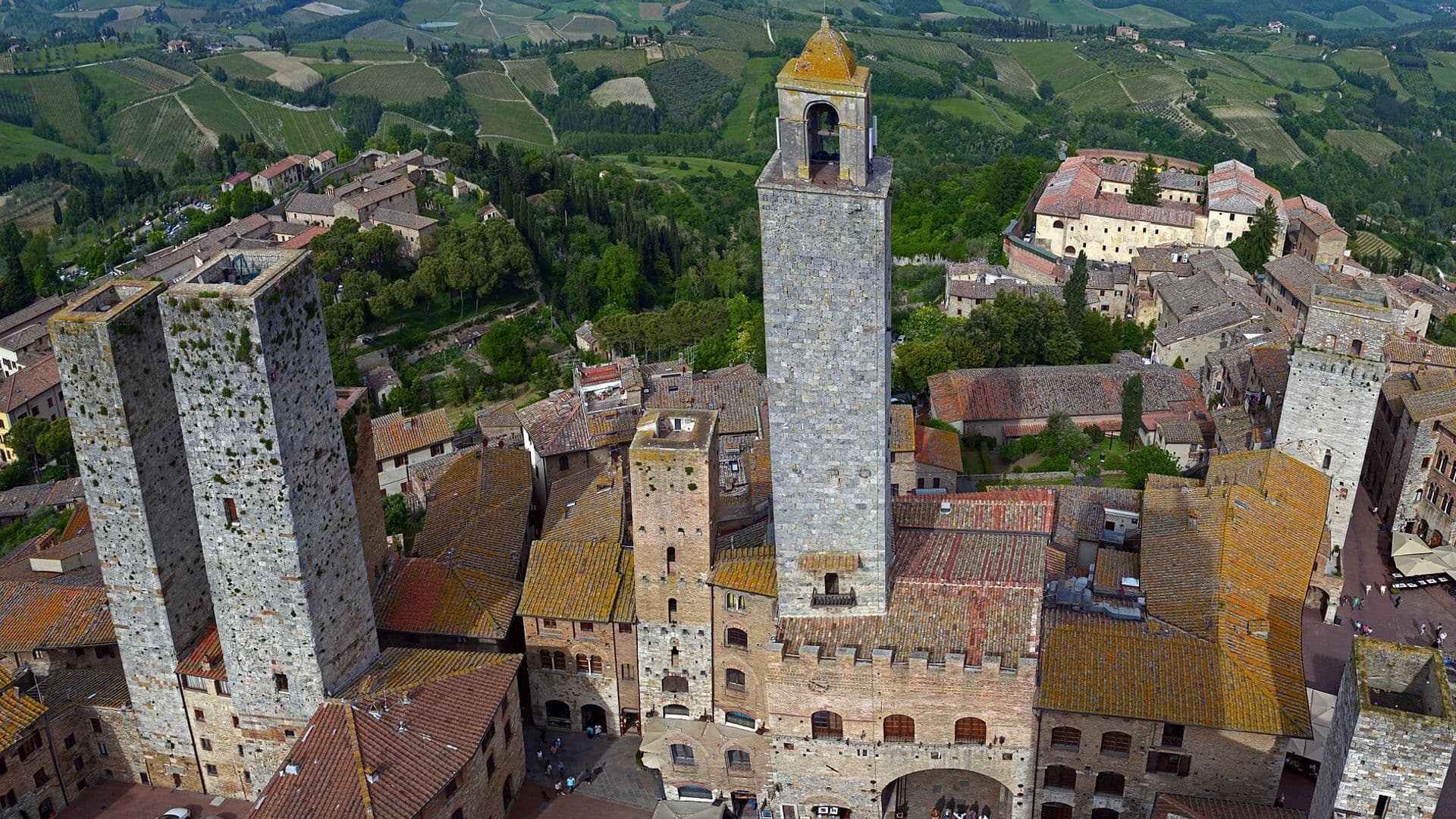
- San Gimignano (about 55 km): the town of medieval towers; motorhomes park in designated car parks below the walls.
- Volterra (about 75 km): an Etruscan and medieval hill town known for alabaster.
- Siena (about 75 km): the shell-shaped Piazza del Campo and the cathedral. On 2 July and 16 August the Palio horse race fills the city.
- Val d'Orcia (about 120 km to Pienza): a UNESCO-listed landscape of cypress avenues and hill towns such as Pienza, Montalcino and Montepulciano.
Lucca, Pisa and the coast
- Lucca (about 75 km): a city inside intact Renaissance walls, with a tree-lined path along the top that is perfect for cycling.
- Pisa (about 85 km): the Leaning Tower and the Piazza dei Miracoli. Park outside the centre and walk in.
- Versilia and the Cinque Terre (about 100–150 km): beach resorts such as Viareggio, and further north the Cinque Terre villages, which you visit by train or boat from La Spezia, as their roads are not suitable for motorhomes. See the La Spezia campervan page. For a day on the sea in Liguria, see our guide to boat rental in Genoa.
Continuing your trip? Florence is on the A1 between Bologna and Rome: see our Bologna campervan guide and Rome campervan guide.
Where to stay
- Campsites. There are a few campsites around Florence and many more in Chianti, around Siena and on the coast. In spring, summer and around big events, book ahead.
- Motorhome areas. Many Tuscan towns have an area di sosta camper below the historic centre, sometimes free, more often for a small fee, with water and waste disposal. Camping apps show the current list and reviews.
- Farm stays and wineries. Some agriturismi and wineries welcome motorhomes, often for guests who come for a meal or a tasting.
- Parking versus camping. In Italy a campervan may generally park like any other vehicle unless it is locally prohibited, but chairs, an awning or levelling blocks count as camping and are only allowed at campsites and designated areas.
Driving tips
- ZTL zones. Florence, Siena, San Gimignano, Lucca and Pisa all have camera-controlled limited traffic zones. Watch for "Zona a traffico limitato" signs and never follow the satnav through the gate.
- Tolls. The A1 and A11 have tolls, and campervans often pay a higher class than cars because of their height. The Florence–Siena road and the FI-PI-LI to Pisa and Livorno are free.
- Speed limits. Generally 130 km/h on motorways, 110 km/h on main roads outside built-up areas and 50 km/h in town; heavier motorhomes over 3.5 tonnes have lower limits.
- Country roads. Many minor roads in Tuscany are narrow, and some are unpaved white roads (strade bianche); check your route before following the satnav down a gravel track.
When to go
Spring (April to June) and autumn (September and October) are the best seasons; in September and October the grape harvest is under way. July and August are hot, often above 35 °C, and Florence, Siena and the coast are crowded. Winters are mild but damp, and many campsites close from November to March.
A campervan in Florence with Crystalium Booker
We are still building up our campervan offer in Florence. Send us your dates and number of travellers through the contact page and we will look for a vehicle for you, and keep an eye on the campervans in Florence page for new listings. Do you rent out a campervan in or around Florence? List it with us.
Frequently Asked Questions
Can I drive a campervan into central Florence?
No. The historic centre is a large camera-controlled limited traffic zone (ZTL), and entering without a permit means a fine that the rental company will pass on to you. Stay at a campsite or motorhome area outside the centre and go in by bus, tram or on foot.
Where can I stay overnight with a campervan near Florence?
At a campsite on the edge of the city, including one on the hill near Piazzale Michelangelo within walking distance of the centre, or at a paid motorhome area (area di sosta camper). Tuscany has many motorhome areas outside its hill towns, and some farm stays (agriturismi) welcome motorhomes. Parking like any other vehicle is allowed unless local signs say otherwise, camping on the street is not.
Are the roads around Florence tolled?
The A1 and A11 motorways have tolls, and campervans often pay a higher class than cars because of their height. The dual carriageways from Florence to Siena and from Florence to Pisa and Livorno (FI-PI-LI) are free.
What are the best campervan trips from Florence?
The Chianti wine villages along the SR222, San Gimignano and Volterra, Siena, the Val d'Orcia with Pienza and Montepulciano, the walled city of Lucca and Pisa. A longer loop can take in the Versilia coast and the Cinque Terre, which you visit by train from La Spezia.
Related articles
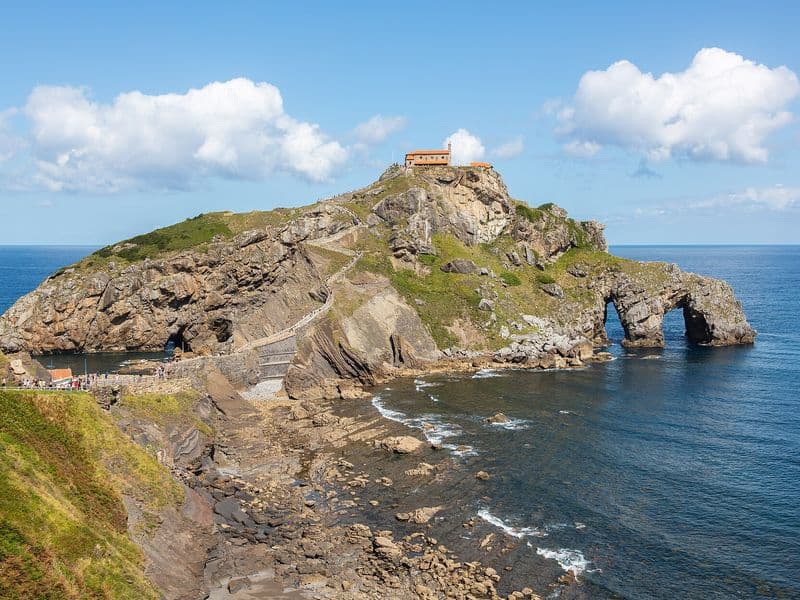
Campervan hire in Bilbao — Gaztelugatxe, San Sebastián, Rioja Alavesa and tips for 2027
By campervan from Bilbao: Gaztelugatxe, Urdaibai, San Sebastián, Rioja Alavesa and the Cantabrian coast. Low-emission zone, overnight stays, tolls and weather.
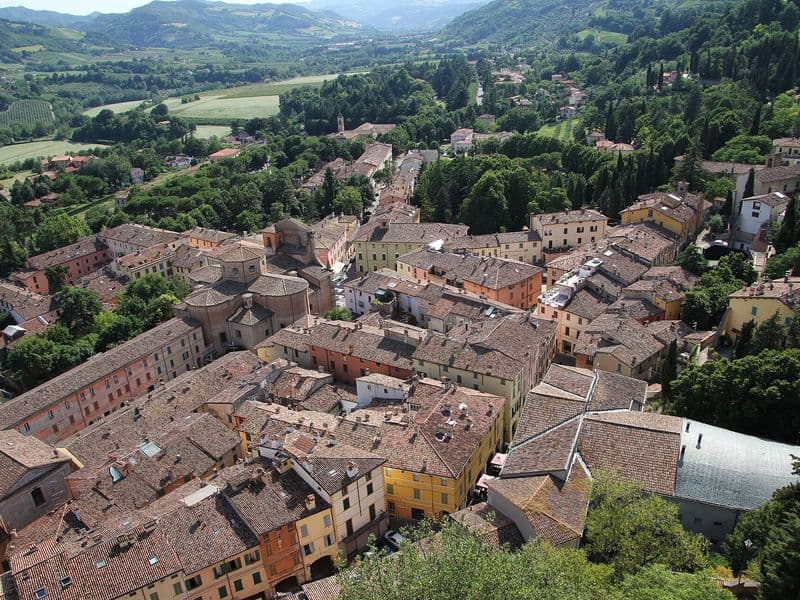
Campervan hire in Bologna — Modena, Parma, Ravenna, the Romagna hills and tips for 2027
By campervan from Bologna: Modena, Parma and Ferrara, the Romagna hills, Ravenna's mosaics, the Po Delta and the Adriatic coast. ZTL, overnight stays and tolls.
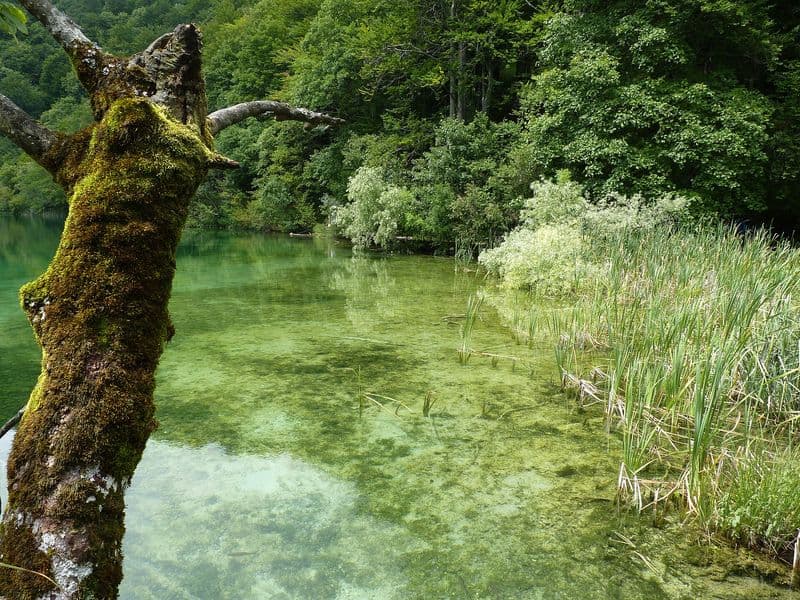
Campervan hire in Zagreb — Plitvice Lakes, Zagorje, Varaždin and tips for 2027
By campervan from Zagreb: Plitvice Lakes, Samobor, the castles and spas of Zagorje, Varaždin, Karlovac and the coast. Overnight rules, tolls and seasons.
Rent a camper today
View all campers for rent