
Campervan Hire Valencia — Albufera, the Coast to Alicante and Tips for 2027
Valencia is the easiest of the big Spanish cities to start a campervan trip from. The land around it is flat, the motorway to Alicante has been free since 2020, and the Albufera lagoon begins 10 km from the centre. The winters are among the mildest on the Spanish mainland, which is why the coast south of the city is full of motorhomes from November to March. Two things need planning: where you will spend the night, because the coast enforces its rules, and when you come, because summer is crowded and autumn brings storms.
Routes from Valencia
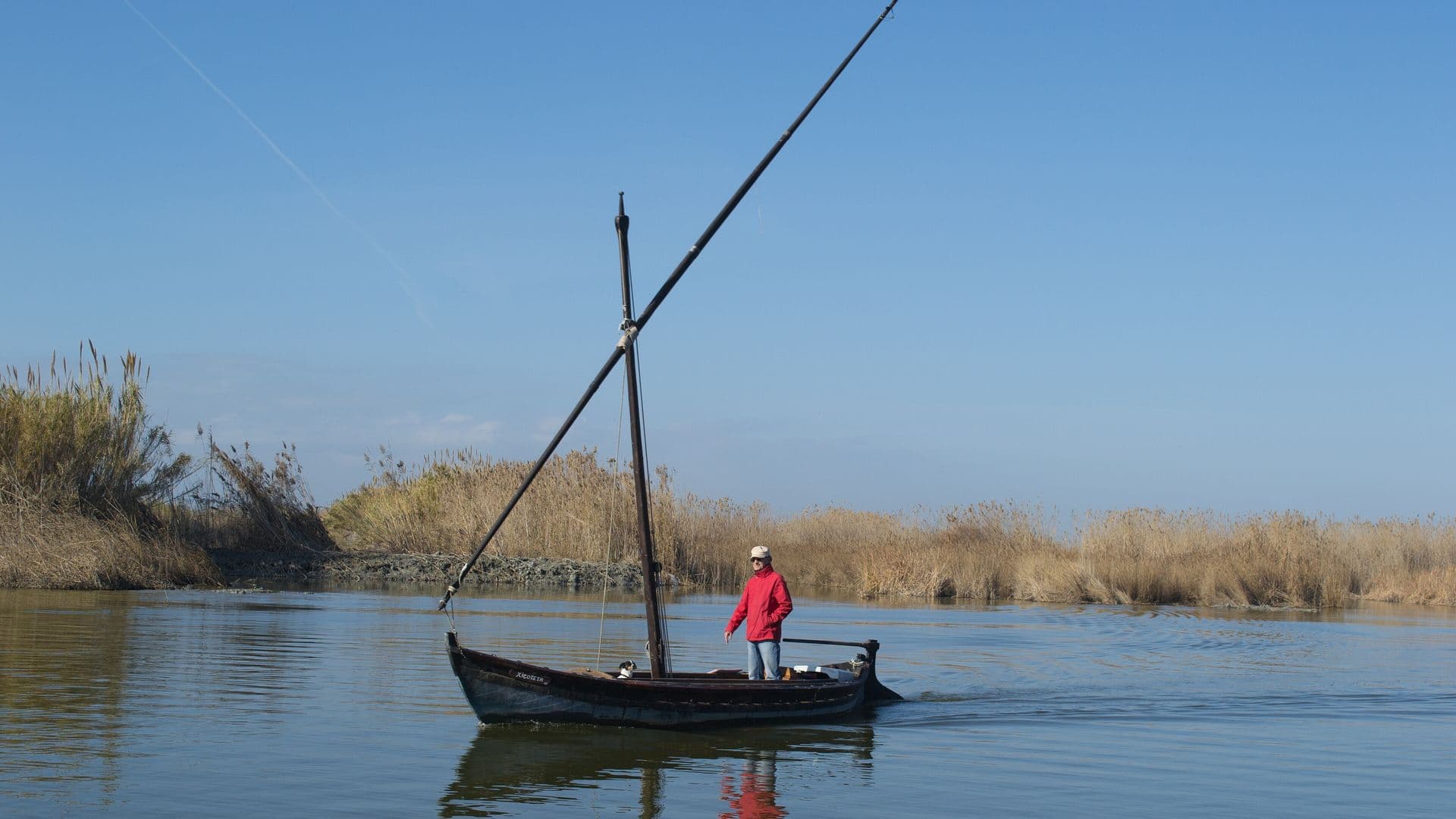
- The Albufera and El Saler (half a day). The natural park starts just south of the city: a freshwater lagoon of about 2,100 hectares surrounded by rice fields and separated from the sea by the pine woods and dunes of the Devesa del Saler. El Palmar, the village in the middle of the rice fields where paella comes from, is about 20 km from the centre; boats on the lagoon leave from there and from the jetties along the CV-500 road, and the best time is sunset.
- The coast to Alicante (south). Cullera is about 40 km from Valencia, Gandia 70 km, Dénia, with its ferries to the Balearic Islands, 105 km, and Xàbia 110 km. Calp, under the 332 m rock of the Peñón de Ifach, is about 125 km away; the path to the top requires a free reservation made in advance. Altea follows at 135 km and Alicante at 180 km. Without stops it is under two hours on the AP-7; with stops allow three to five days.
- Inland and north. Xàtiva, with its castle along the ridge above the town, is about 60 km to the south, and the mountain village of Guadalest about 25 km inland from Altea. To the north lie Sagunto, with its Roman theatre and castle (30 km), and Peñíscola, a walled old town on a rock in the sea (145 km). The warm river pools of Montanejos, 25 °C all year, are about 90 km to the north-west.
Where to sleep
- For visiting Valencia. Do not take the campervan into the centre; parts of the old town are open to residents only and are watched by cameras. Valencia Camper Park in Bétera, about 15 km north-west of the city, is open all year and a few minutes on foot from the Horta Vella metro station, from where line 1 reaches the centre in about 25 minutes. The alternative is the campsites in Pinedo and El Saler, on the edge of the Albufera, with city buses (lines 24 and 25) to the centre.
- On the coast. Between Cullera and Alicante there are campsites and private motorhome areas in almost every resort, and most stay open all year. In areas registered as transit stopovers, regional rules limit the stay to 48 hours; for a longer stay, choose a campsite.
- No wild camping. Free camping is prohibited in the Valencian Community. Spending the night in a legally parked vehicle, with nothing set up outside, counts as parking under the national DGT guidance, but coastal towns use by-laws to ban motorhomes from seafront car parks and often fit height barriers, and the car parks in the Albufera park are meant for daytime visits.
- Wintering. From November to March the campsites of the Costa Blanca (Benidorm, Calp, Dénia, El Campello) fill with long-stay guests from northern Europe. Many give lower rates for stays of a month or more, and the popular ones are booked months ahead. If you want a week by the sea in January, book the pitch before the vehicle.
Driving and the costs visitors forget
- Tolls. The AP-7 between Valencia and Alicante has been free since 1 January 2020. You still pay on the Alicante bypass (AP-7 Circunvalación) and on the AP-7 south of Alicante towards Torrevieja and Cartagena; the free A-70 runs past Alicante.
- Low-emission zone. Unlike Madrid and Barcelona, Valencia had no low-emission zone in operation when this guide was written (autumn 2026): the city council rejected the ordinance in December 2025, although the cameras are installed. The proposed rules restricted only vehicles without a DGT environmental label, and a campervan hired in Spain has one. If you come in an older vehicle of your own, check the city's website before driving in.
- Autumn storms. Between September and November the coast is hit by episodes of torrential rain (known as DANA or gota fría) that flood roads and dry riverbeds within hours. Never spend the night in a riverbed (rambla, barranco) or at a river mouth, and follow the warnings of the weather service AEMET.
- Fallas. From 15 to 19 March much of central Valencia is closed to traffic and every campsite near the city is full. Come in by metro, and book weeks ahead.
- Driving licence and speed. As elsewhere in Spain: category B covers vehicles of up to 3,500 kg, and a campervan up to that weight may drive 120 km/h on motorways and 90 km/h on other roads outside built-up areas. Rental companies usually ask for a minimum age of 23 to 25 and a licence held for at least two years.
When to go
Spring (April to June) and autumn from late September are the best: days of 20 to 27 °C, the sea warm enough from June (about 22 °C), and space at the campsites. July and August are hot and humid, with days above 30 °C and warm nights; the sea is at about 26 °C, and the coastal campsites are full and at their most expensive. Winter is the reason many people come at all: in January the days reach 16 to 17 °C in Valencia and Alicante, the sky is mostly clear and rental rates are the lowest of the year, but nights are cold in the mountains inland. In the Albufera, the rice fields are flooded from November to January and green from June; the harvest is in September.
A campervan in Valencia through Crystalium Booker
We are still building our campervan offer in Valencia. Send us your dates and group size through the contact page and we will look for a vehicle for you, and keep an eye on the campervans in Valencia page for new listings. Do you hire out a campervan in or around Valencia? List it with us.
Frequently Asked Questions
Where do you stay with a campervan to visit Valencia?
Outside the centre. Valencia Camper Park in Bétera is open all year and a few minutes on foot from the metro (line 1, about 25 minutes to the centre). From the campsites in Pinedo and El Saler, by the Albufera, city buses run to the centre.
Is the motorway from Valencia to Alicante a toll road?
No. The AP-7 between Valencia and Alicante has been free since 1 January 2020. Tolls remain on the Alicante bypass and on the AP-7 south of Alicante towards Cartagena; the A-70 around Alicante is free.
Can you spend the winter in a campervan on the coast near Valencia?
Yes; it is one of the most popular wintering areas in Europe. In January the days reach 16 to 17 °C. Most campsites between Valencia and Alicante are open all year and give lower rates for long stays, but the popular ones are booked months ahead.
Can you spend the night in a campervan by the beach?
Free camping is prohibited in the Valencian Community, and most coastal towns ban motorhomes from seafront car parks at night. Motorhome areas classed as transit stopovers allow up to 48 hours. For a longer stay, use a campsite.
Related articles
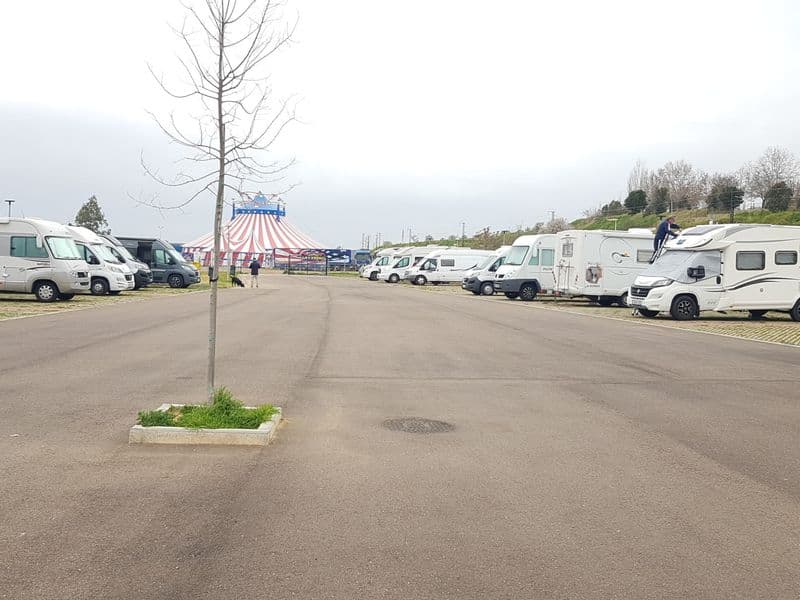
Campervanning in Spain — Overnight Parking vs Camping, Áreas de Autocaravanas and Low-Emission Zones in 2027
Campervanning in Spain: where you may sleep overnight and where not, how áreas de autocaravanas and campsites work, and low-emission zones in Madrid and Barcelona.
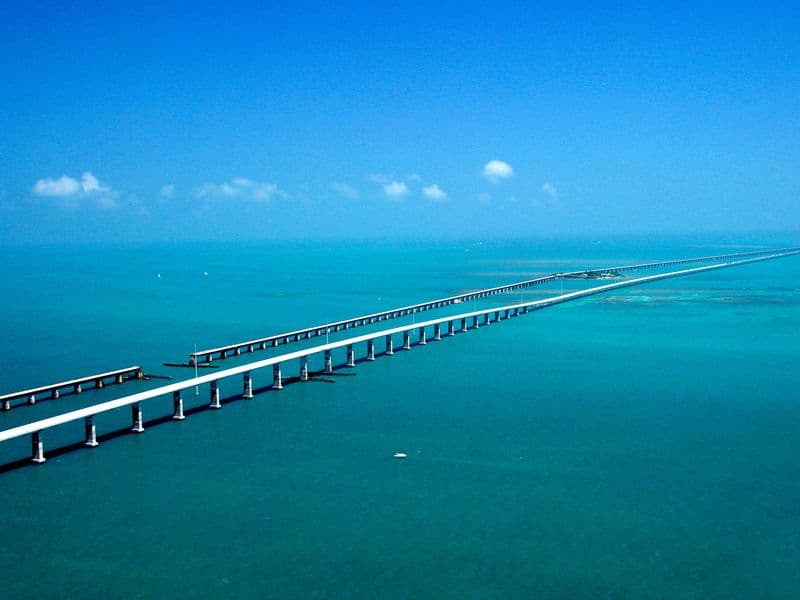
Renting a Campervan in the USA as a European — Licence, Insurance, Mileage and Campgrounds in 2027
What European guests need to rent a campervan or RV in the USA: driving licence, insurance, per-mile charges, campground types and tips for Florida.
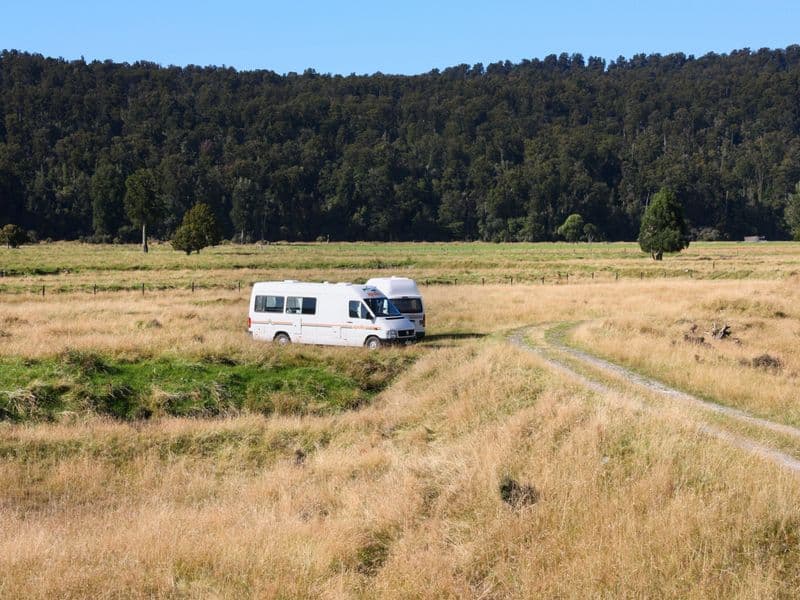
Freedom Camping in New Zealand — Rules, Self-Contained Certification and Fines in 2027
Where you may freedom camp in New Zealand, what the green self-contained warrant means, how fines reach rental guests, and how to plan the route and ferry.
Rent a camper today
View all campers for rent