
Campervan Hire Wellington — the Ferry to Picton and a Day in the Capital, 2027 Guide
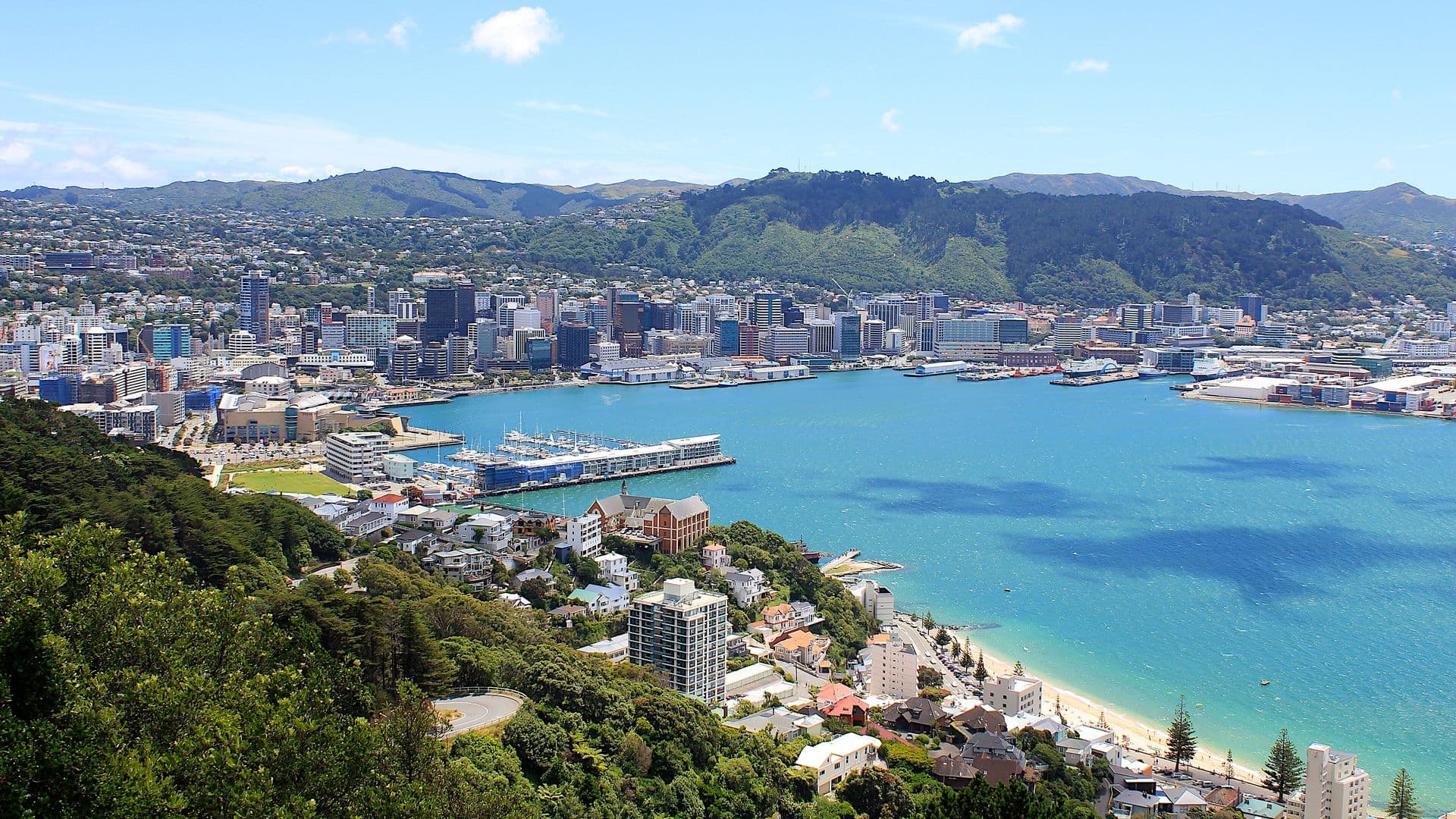
For most campervan travellers Wellington is where you board: from here the ferry crosses Cook Strait to Picton on the South Island. New Zealand's capital lies at the very bottom of the North Island, about 640 km from Auckland, and deserves at least a day before you sail. The city is hilly, the streets are narrow and a strong wind often blows, so park the campervan and see the centre on foot.
The ferry to Picton
The crossing takes about three and a half hours and covers 92 km. Two operators run it, Interislander and Bluebridge, each several times a day. For the last hour the ship sails through the Marlborough Sounds, narrow inlets with forested shores, so choose a daytime sailing.
- Booking. Vehicle space is limited. In summer, especially from Christmas to the end of January, book weeks ahead.
- Vehicle length and height. The fare depends on the length and height of the campervan. Ask the hirer for the exact measurements before you book; a bike rack counts towards the length.
- Check-in. Be at the terminal at least an hour before departure. The terminals are not in the same place: Bluebridge leaves from the centre, opposite the railway station, and Interislander from a terminal about two kilometres further north.
- On board. You may not stay in the vehicle during the crossing. Turn off the gas bottle before boarding.
- Weather. Cook Strait is known for strong wind and swell, so sailings are sometimes cancelled or delayed. Do not plan a flight or the vehicle return for the same day.
- Hire agreement. Most hirers allow the campervan on the ferry, and some will book it for you at a lower fare. Check this in the agreement.
A day in Wellington
- Te Papa. The national museum on the waterfront: Māori art, natural history and the story of the country. Allow two to three hours.
- Cable Car. The funicular runs from Lambton Quay up to Kelburn, from where you walk back down to the city through the Botanic Garden.
- Mount Victoria. A lookout at 196 metres with a view over the city and the harbour. The road to the top is narrow, so go on foot or by bus.
- The waterfront and Oriental Bay. The walk from the museum to the city beach takes about twenty minutes.
- Zealandia. A fenced sanctuary ten minutes from the centre, home to rare native birds, among them kākā and takahē.
- Cuba Street. A street of cafés and small breweries; Wellington is known for its coffee and craft beer.
Where to stay overnight
There is little room for campervans in the city itself. The nearest holiday park is in Lower Hutt, about fifteen kilometres from the ferry terminals. Vehicles certified as self-contained may stay overnight in the car park at Evans Bay Marina, where spaces are few and cannot be booked. If your sailing is early in the morning, stay as close to the terminal as you can: the morning congestion on the approaches to the city starts at about seven.
Getting there and trips nearby
Auckland to Wellington is about 640 km, eight hours of driving without stops, so split the trip over at least two days, for example with a night in Taupō, which leaves about 370 km. If you have a spare day, spend it nearby:
- Kāpiti Coast (about 55 km, 45 minutes): long sandy beaches and a view of Kāpiti Island, a nature reserve.
- Martinborough (about 80 km, an hour and a quarter): wineries known for pinot noir. The road over the Remutaka Hill is steep, winding and exposed to the wind.
- Cape Palliser (about 130 km, a little over two hours): a lighthouse at the top of about 250 steps and a fur seal colony beside the road.
After landing in Picton
From Picton you can go three ways. Blenheim and the Marlborough wineries are 28 km away. Nelson, the gateway to Abel Tasman National Park, is about 135 km by the main road through Havelock; the scenic Queen Charlotte Drive is narrow and winding and not suited to larger campervans. South along the coast, Kaikōura is about 155 km away and Christchurch about 335 km.
When to go
Summer, from December to March, is the warmest and calmest time, with daytime temperatures around 20 °C. The wind blows in Wellington all year and is strongest in spring, in October and November. Ferry cancellations are more common in winter, so build a spare day into your plan then.
A campervan in Wellington through Crystalium Booker
We are still building our campervan offer in Wellington. Send us your dates and group size through the contact page and we will look for a vehicle for you, and keep an eye on the campervans in Wellington page for new listings. Do you hire out a campervan in or around Wellington? List it with us.
Frequently Asked Questions
How long does the ferry from Wellington to Picton take?
About three and a half hours. You need to be at the terminal at least an hour before departure, so allow half a day for the crossing.
Can I take a hired campervan on the ferry to the South Island?
With most hirers yes, but check the agreement. When you book the ferry you give the length and height of the vehicle, which the fare depends on.
How far ahead should I book the ferry with a campervan?
In summer, especially from Christmas to the end of January, weeks ahead, because vehicle space is limited. Outside the season a few days is usually enough.
What happens if the sailing is cancelled because of the weather?
The operator moves you to the next available sailing, which in season can mean a wait of a day or two. That is why you should not plan a flight or the vehicle return for the day of the crossing.
Related articles
Campervanning in Spain — Overnight Parking vs Camping, Áreas de Autocaravanas and Low-Emission Zones in 2027
Campervanning in Spain: where you may sleep overnight and where not, how áreas de autocaravanas and campsites work, and low-emission zones in Madrid and Barcelona.
Renting a Campervan in the USA as a European — Licence, Insurance, Mileage and Campgrounds in 2027
What European guests need to rent a campervan or RV in the USA: driving licence, insurance, per-mile charges, campground types and tips for Florida.
Freedom Camping in New Zealand — Rules, Self-Contained Certification and Fines in 2027
Where you may freedom camp in New Zealand, what the green self-contained warrant means, how fines reach rental guests, and how to plan the route and ferry.
Rent a camper today
View all campers for rent