

Campervan Hire Auckland — North Island Routes, Camping and Tips for 2027
Auckland is where most campervan trips around New Zealand begin: most international flights land here, and the hire depots sit next to the airport in Māngere, about twenty kilometres south of the centre. You do not need a campervan for the city itself, so pick it up on the day you set off. From Auckland you can head in three directions: north to the Bay of Islands, east to the Coromandel Peninsula, and south towards Rotorua and Lake Taupō.
Three directions from Auckland
Northland and the Bay of Islands (north). Paihia is about 230 km away, a little over three hours' drive. Boat trips among the islands leave from here, and Waitangi is where the treaty regarded as the country's founding document was signed in 1840. Cape Reinga, at the very top, is about 420 km from Auckland. Come back down the west coast through Waipoua Forest, home of Tāne Mahuta, the largest living kauri tree. Do not drive on Ninety Mile Beach: hire agreements forbid it, and vehicles get stuck there every year.
Coromandel (east). Thames is about 115 km away, an hour and a half's drive, and Hahei about 175 km, two and a half hours. Cathedral Cove can only be reached on foot, about 45 minutes each way, or by boat. At Hot Water Beach you dig your own hot pool in the sand for two hours either side of low tide. Roads on the peninsula are narrow and winding, so allow more time than the map suggests.
Rotorua and Taupō (south). The Hobbiton film set near Matamata is about 165 km away, two hours' drive. Rotorua is about 230 km, three hours: geysers, mud pools and evenings of Māori culture. The glowworm caves at Waitomo are about 195 km away, and Lake Taupō about 275 km. Beyond it lies Tongariro National Park.
The classic North Island loop
Auckland – Coromandel – Rotorua – Taupō – Waitomo – Auckland is about 850 km. Allow seven to ten days. With two weeks, add Northland or carry on to Wellington, about 640 km from Auckland, and take the ferry to the South Island. One-way hire, dropping the vehicle in Wellington or Christchurch, is common; ask about the one-way fee, and in summer book the vehicle's place on the ferry weeks ahead.
Where to stay overnight
- Holiday parks. Campgrounds with powered sites, a kitchen and showers. In Auckland you will find them on the North Shore, in Takapuna for example, and the campground in Ambury Regional Park, near the airport, is handy for the first or last night.
- DOC campsites. The Department of Conservation runs hundreds of simple, cheap campsites in the best locations. The most popular ones need to be booked online in summer.
- Freedom camping. It is allowed only in a vehicle certified as self-contained (green sticker, fixed toilet) and only where the local council permits it. The rules differ from district to district, and Auckland restricts it in many places. Fines start at NZ$400. Ask at pick-up whether the vehicle is certified.
Driving and costs that guests forget
- Left-hand side. New Zealand drives on the left. The open-road limit is 100 km/h, but on winding roads a campervan averages 60 to 70 km/h. Plan the trip in hours, not kilometres.
- One-lane bridges. They are common outside the cities. The sign shows who has priority: the driver with the smaller, red arrow gives way.
- Diesel and the per-kilometre charge. Most campervans run on diesel. Instead of a fuel tax at the pump, diesel vehicles pay a road user charge per kilometre driven, which the hirer bills when you return the vehicle. Ask for the rate at pick-up.
- Tolls. New Zealand has only a few toll roads, all on the North Island and all without toll booths. The first one you will meet is the Northern Gateway on State Highway 1 north of Auckland. Pay online within five working days; otherwise the hirer charges it with an administration fee.
- Driving licence. A foreign licence in English is valid. If yours is not in English, bring an international driving permit or an official translation. You must carry the licence whenever you drive.
- Auckland traffic. The motorways through the city are congested from 7 to 9 am and from 4 to 6.30 pm. Collect and return the vehicle outside those hours.
When to go
Summer runs from December to February. From Christmas to the end of January New Zealanders are on holiday: holiday parks and DOC campsites along the coast are booked out months ahead, and hire prices are at their highest. February and March are best: the sea is at its warmest, the weather is settled and school is back. Winter, from June to August, is wet and cool but mild in Northland, and hire is cheapest then. The volcanoes in the centre of the island have snow in winter.
A campervan in Auckland through Crystalium Booker
We are still building our campervan offer in Auckland. Send us your dates and group size through the contact page and we will look for a vehicle for you, and keep an eye on the campervans in Auckland page for new listings. Do you hire out a campervan in or around Auckland? List it with us.
Frequently Asked Questions
How many days do you need for the North Island by campervan?
For the Auckland – Coromandel – Rotorua – Taupō – Waitomo – Auckland loop, about 850 km, allow seven to ten days. With two weeks you can add Northland or carry on to Wellington.
Is freedom camping allowed in New Zealand?
Only in a vehicle certified as self-contained (green sticker, fixed toilet) and only where the local council permits it. Fines start at NZ$400. Otherwise you stay at a holiday park or a DOC campsite.
Can you drive a campervan to Cathedral Cove?
No. The cove is reached on foot from Hahei, about 45 minutes each way, or by boat or kayak. Leave the campervan in Hahei.
Do I need an international driving permit to hire a campervan in New Zealand?
If your licence is in English, it is enough on its own. If not, you need an international driving permit or an official English translation with it. Hirers also set a minimum driver age, usually 21, in some cases 18.
Related articles
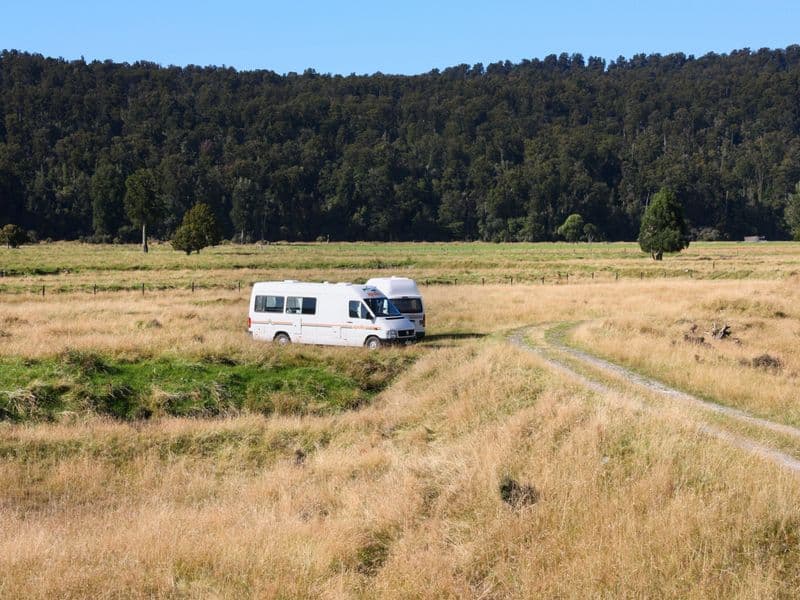
Freedom Camping in New Zealand — Rules, Self-Contained Certification and Fines in 2027
Where you may freedom camp in New Zealand, what the green self-contained warrant means, how fines reach rental guests, and how to plan the route and ferry.
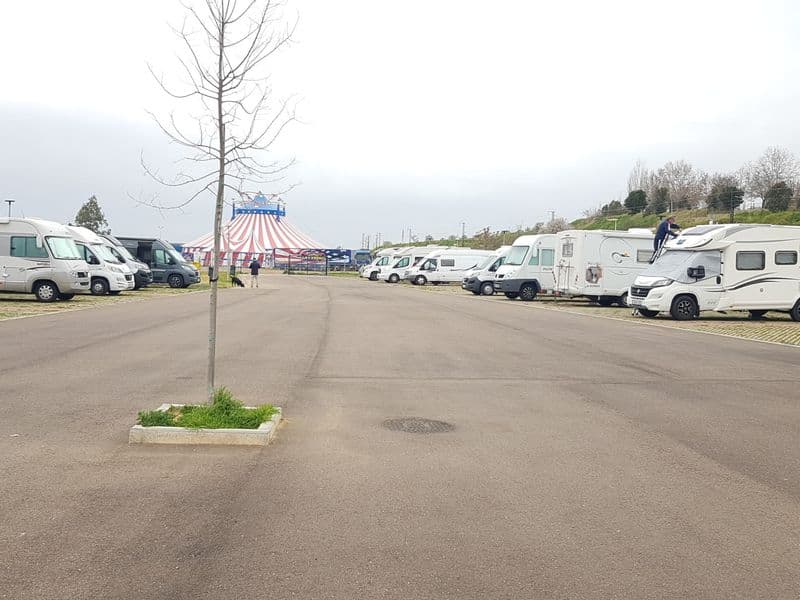
Campervanning in Spain — Overnight Parking vs Camping, Áreas de Autocaravanas and Low-Emission Zones in 2027
Campervanning in Spain: where you may sleep overnight and where not, how áreas de autocaravanas and campsites work, and low-emission zones in Madrid and Barcelona.
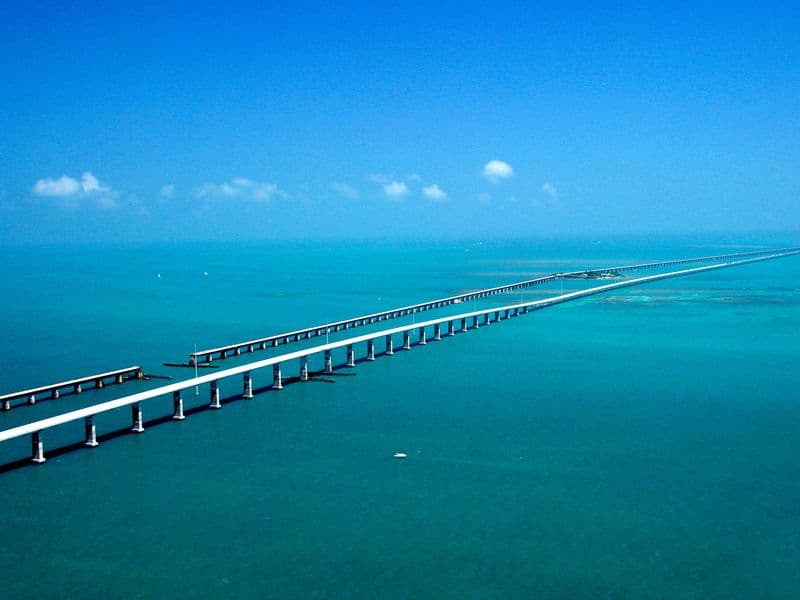
Renting a Campervan in the USA as a European — Licence, Insurance, Mileage and Campgrounds in 2027
What European guests need to rent a campervan or RV in the USA: driving licence, insurance, per-mile charges, campground types and tips for Florida.
Rent a camper today
View all campers for rent