
Campervan Hire Madrid — Toledo, Segovia, Ávila and Tips for 2027
Madrid is the practical starting point for a campervan trip through central Spain: six World Heritage sites lie within about 110 km of the city, and the motorways fan out from it in every direction. The city itself is not a place for a campervan. The whole municipality is a low-emission zone, the centre has stricter rules of its own, and car parks have height limits. Leave the vehicle at a campsite, see Madrid by metro, and start driving when you leave town.
A loop of four to five days
- Toledo (south). About 75 km and an hour on the toll-free A-42. The old town sits on a rock inside a bend of the Tagus; park below it and take the escalators up. The best view of the city is from the Mirador del Valle, on the ring road south of the river.
- Ávila (north-west). From Toledo it is about 135 km on the N-403, through the Alberche valley and past the El Burguillo reservoir. The medieval walls are 2.5 km long with almost 90 towers, and you can walk along part of them. At 1,130 m Ávila is the highest provincial capital in Spain, so nights are cool even in summer.
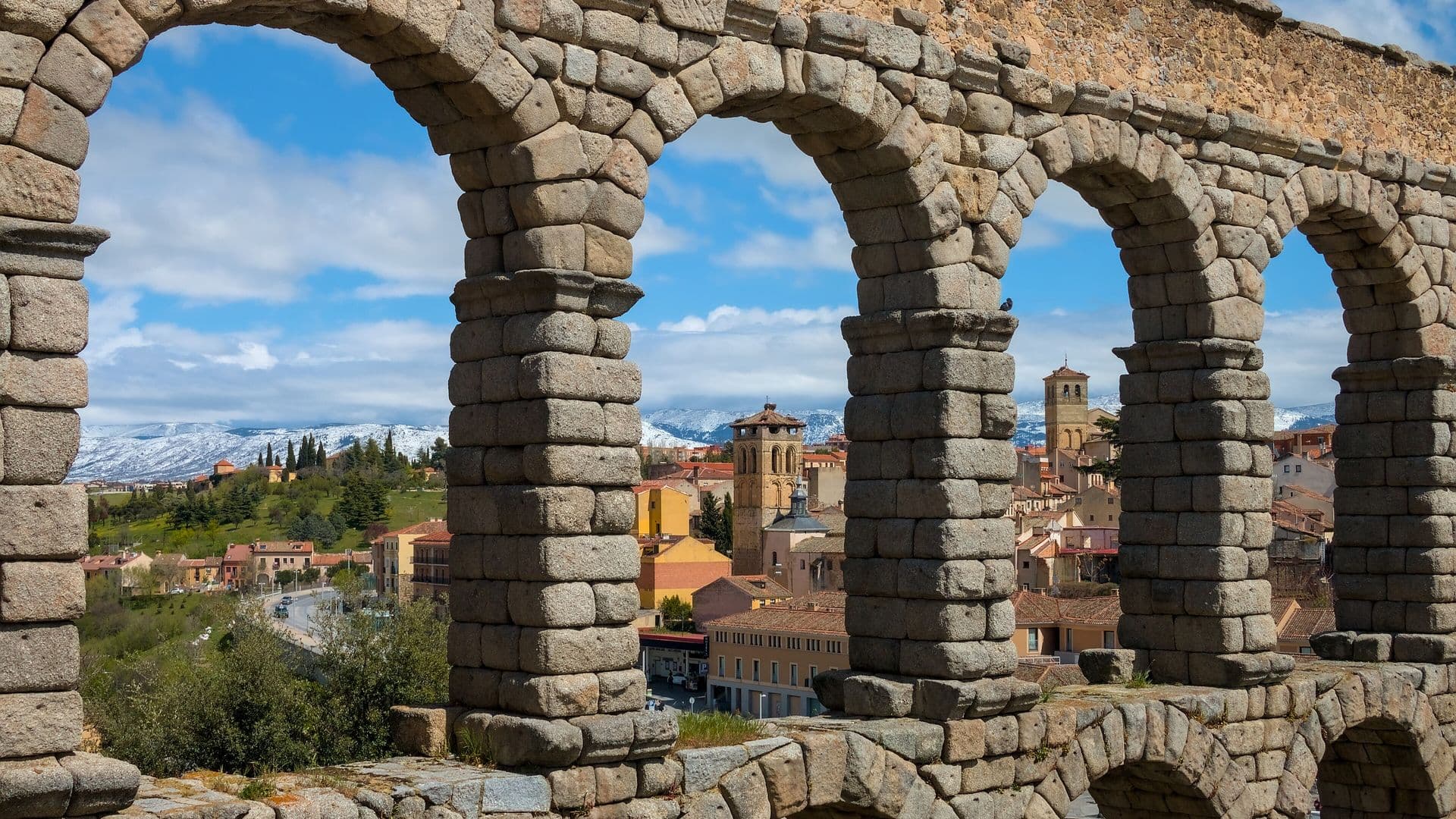
- Segovia (north). About 65 km from Ávila. The Roman aqueduct, 28 m high at its tallest point, runs right into the middle of town, and the Alcázar stands at the other end of the old quarter. La Granja de San Ildefonso, a royal palace with gardens, is 11 km away.
- Back over the Sierra de Guadarrama. From La Granja the CL-601 climbs to the Puerto de Navacerrada pass (1,858 m) and descends towards Madrid; from Segovia that is about 90 km. The alternative is the tolled tunnel on the AP-6. San Lorenzo de El Escorial, with the monastery of Philip II, is about 50 km from Madrid and fits into the last day. The whole loop is about 370 km.
- Shorter trips. Aranjuez (royal palace and gardens, about 50 km south), Chinchón (45 km) and Alcalá de Henares (35 km east) each take half a day; Cuenca, with its hanging houses, is about 165 km to the east.
Where to stay overnight
- In Madrid. Camping Osuna, in the north-east of the city near the airport, is about ten minutes on foot from line 5 of the metro. The other campsites lie outside the city, for example in Getafe (Camping Alpha) and Villaviciosa de Odón (Camping Arco Iris), with a bus connection to the centre.
- In the towns on the loop. Toledo has Camping El Greco, with a city bus stop close by. Segovia has a municipal motorhome area beside the bullring, about 15 minutes on foot from the centre, with water and a dump point; it has only about ten spaces. In Ávila there is a car park with motorhome spaces beside the Lienzo Norte congress centre, facing the north side of the walls.
- Áreas de autocaravanas. Many towns in Castile maintain service areas for motorhomes with fresh water and a dump point; they are often free and usually limit the stay to 48 or 72 hours.
- Parking is not camping. Under the guidance of the Spanish traffic authority (DGT), you may spend the night in a legally parked campervan as long as nothing extends beyond the vehicle: no awning, no table and chairs outside, no stabiliser legs lowered and no water discharged onto the ground. As soon as you put something outside, it counts as camping, which is allowed only at campsites and in designated areas. Municipalities may add restrictions of their own, so read the signs.
Driving and the costs visitors forget
- Low-emission zone. The entire municipality of Madrid is a low-emission zone (ZBE). Vehicles without an environmental label that are not registered in the city may not enter; the fine is 200 euros. A campervan hired in Spain carries a DGT label (usually B or C), which is enough to drive in the city, but vehicles with a B or C label may enter the central district (Distrito Centro) only to park in a car park, and campervans rarely fit under the height limit. If you arrive in a vehicle registered abroad, check the city council's requirements before you drive in.
- Tolls. The motorways marked A (autovías) are free: the A-42 to Toledo, the A-6 as far as Collado Villalba. Tolls are charged on the AP-6 through the Guadarrama tunnel, on the AP-61 to Segovia and the AP-51 to Ávila, and on the radial motorways R-2 to R-5 around Madrid. You pay at the toll booth, by card or in cash.
- Speed limits. A campervan of up to 3,500 kg may drive 120 km/h on motorways and 90 km/h on other roads outside built-up areas; above 3,500 kg the limits are 90 and 80 km/h. In most towns the limit is 30 km/h on streets with one lane in each direction.
- Driving licence. Category B covers vehicles of up to 3,500 kg. Licences from EU and EEA countries are recognised; drivers from other countries should bring an international driving permit along with their licence. Rental companies usually ask for a minimum age of 23 to 25 and a licence held for at least two years.
- Mountain passes in winter. After snowfall between December and March, Navacerrada and the other passes of the Sierra de Guadarrama may be closed or open only to vehicles with snow chains; the AP-6 tunnel is then the more reliable route.
When to go
Madrid lies at about 650 m and has a continental climate. April to June and September and October are the best months: days of 18 to 28 °C and free spaces in the motorhome areas. In July and August afternoon temperatures in Madrid and Toledo regularly reach 35 to 40 °C, and a parked campervan heats up quickly; if you travel then, stay up in Ávila, Segovia and the mountains, where the nights are cooler. Winter is cold and dry: in January night temperatures in Madrid drop to around freezing, and below it in Ávila and Segovia. During Holy Week (Semana Santa) and on long weekends the free areas fill up by early afternoon.
A campervan in Madrid through Crystalium Booker
We are still building our campervan offer in Madrid. Send us your dates and group size through the contact page and we will look for a vehicle for you, and keep an eye on the campervans in Madrid page for new listings. Do you hire out a campervan in or around Madrid? List it with us.
Frequently Asked Questions
Can you drive a campervan into the centre of Madrid?
The whole city is a low-emission zone. A campervan with a Spanish B or C environmental label may drive in the city, but it may enter the central district only to park in a car park, and most car parks are too low. Leave the vehicle at a campsite and take the metro.
Is it legal to sleep in a campervan outside campsites in Spain?
Yes, where parking is allowed: you may spend the night in a legally parked campervan as long as nothing extends beyond the vehicle and no water is discharged. With an awning, chairs or lowered stabiliser legs it becomes camping, which is allowed only at campsites and in designated areas. Local rules can be stricter.
How far are Toledo, Segovia and Ávila from Madrid?
Toledo is about 75 km away (an hour's drive), Segovia about 90 km (an hour and a quarter) and Ávila about 110 km (an hour and a half). A loop through all three towns is about 370 km and takes four to five days with sightseeing.
When is the best time for a campervan trip from Madrid?
From April to June and in September and October. July and August are very hot in Madrid and Toledo, with afternoons of 35 to 40 °C; in winter night temperatures drop to freezing and there may be snow on the passes.
Related articles
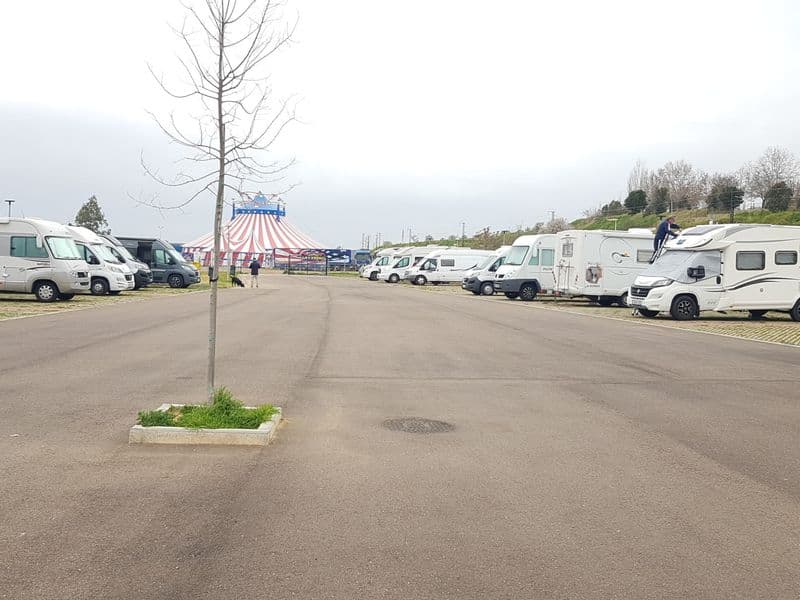
Campervanning in Spain — Overnight Parking vs Camping, Áreas de Autocaravanas and Low-Emission Zones in 2027
Campervanning in Spain: where you may sleep overnight and where not, how áreas de autocaravanas and campsites work, and low-emission zones in Madrid and Barcelona.
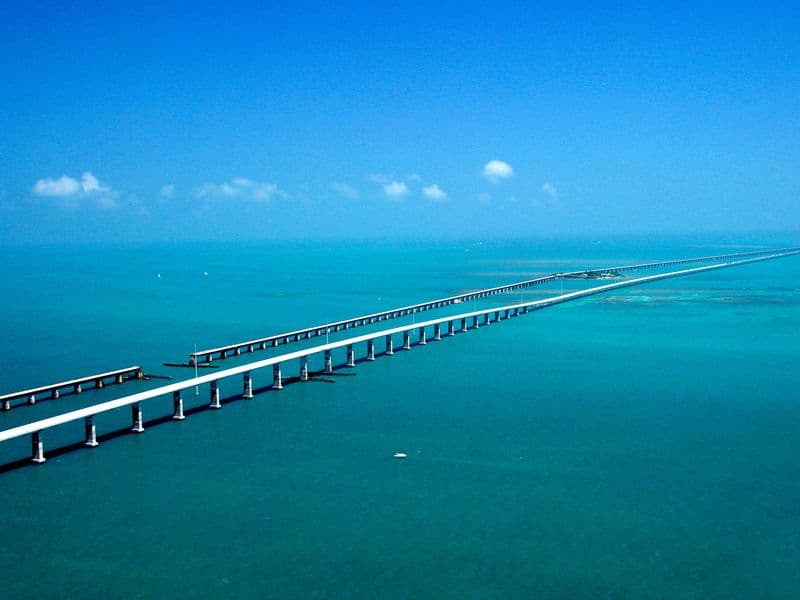
Renting a Campervan in the USA as a European — Licence, Insurance, Mileage and Campgrounds in 2027
What European guests need to rent a campervan or RV in the USA: driving licence, insurance, per-mile charges, campground types and tips for Florida.
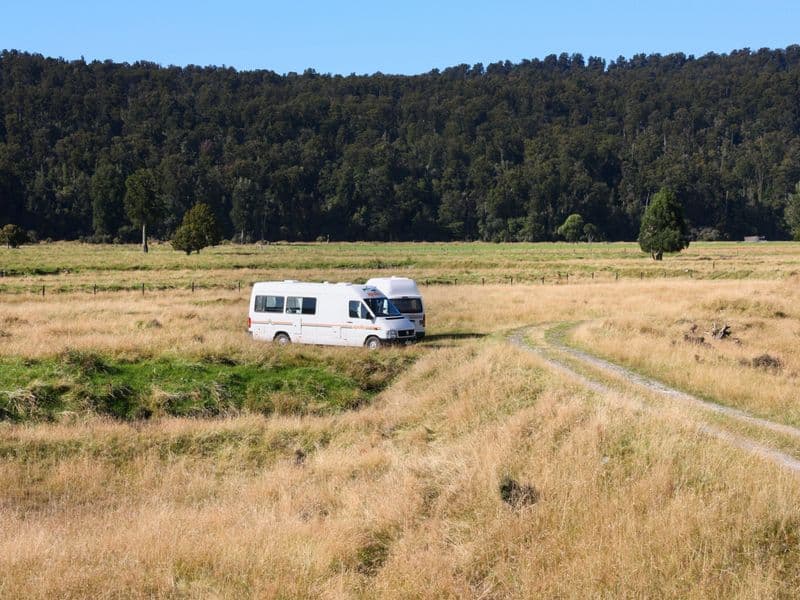
Freedom Camping in New Zealand — Rules, Self-Contained Certification and Fines in 2027
Where you may freedom camp in New Zealand, what the green self-contained warrant means, how fines reach rental guests, and how to plan the route and ferry.
Rent a camper today
View all campers for rent